The global transition to sustainable engineering solutions has established energy-efficient lighting as a vital component in carbon neutrality and industrial modernization. Driven by global decarbonization initiatives and strict regulatory changes—such as the European Union’s ErP Directive and the United States' DLC (DesignLights Consortium) Premium requirements—commercial and industrial organizations are modernizing their lighting networks. This shift is not just about changing light fixtures; it is a strategic effort to lower operational expenses (OPEX), minimize maintenance cycles, and implement smart, data-driven utility management.
Today, energy-efficient lighting systems feature smart control boards, multi-spectral capability, and high luminous efficacy (typically exceeding 120 lm/W up to 200 lm/W). For global procurement executives, municipal designers, and wholesale suppliers, sourcing from trusted, certified manufacturing facilities is essential. Shandong SciBrite Lighting Co., Ltd. serves this demand by combining advanced production infrastructure, robust technical engineering, and deep regional supply chain optimization to deliver high-performance solid-state lighting (SSL) solutions worldwide.
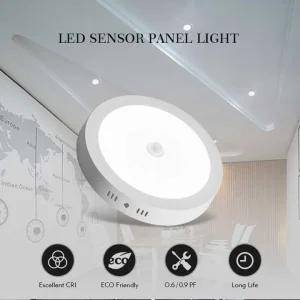
Shandong SciBrite Lighting Co., Ltd. is a leading professional manufacturer specializing in the research, development, production, and sales of high-performance LED lighting solutions. Our product lines serve residential, commercial, and industrial markets, offering durable ceiling lights, moisture-proof fittings, functional bulkheads, low-profile panels, and custom smart luminaires.
Strategically located in Linyi, Shandong Province, China, our company utilizes a state-of-the-art manufacturing plant. Linyi is a major logistics hub in Northern China, which helps optimize our supply chain and lower shipping costs for our international customers. Our facilities integrate advanced plastic injection molding, automated surface-mount technology (SMT) machinery, precision metal stamping, assembly lines, and high-standard testing laboratories. We operate under strict ISO9001:2015 quality management procedures, ensuring every lighting fixture meets international standards for safety and performance.
| Parameter | Industrial Standard Range | SciBrite Performance Metrics |
|---|---|---|
| Luminous Efficacy | 80 - 110 lm/W | 120 - 160 lm/W (Optional customization up to 180 lm/W) |
| Color Rendering Index (CRI) | Ra ≥ 70 | Ra ≥ 80 / Ra ≥ 90+ (High-Fidelity spectrum output) |
| Power Factor (PF) | ≥ 0.85 | ≥ 0.95 / ≥ 0.98 (High-efficiency isolated drivers) |
| Total Harmonic Distortion (THD) | ≤ 20% | ≤ 10% (Compliant with global electrical grids) |
| Standard Deviation of Color Matching | SDCM ≤ 5 | SDCM ≤ 3 (Strict chromatic consistency) |
Excellent product reliability is built on standardized, trace-monitored manufacturing. At Shandong SciBrite, we control every step of production. Below is a detailed view of our assembly, metal fabrication, and quality assurance processes:
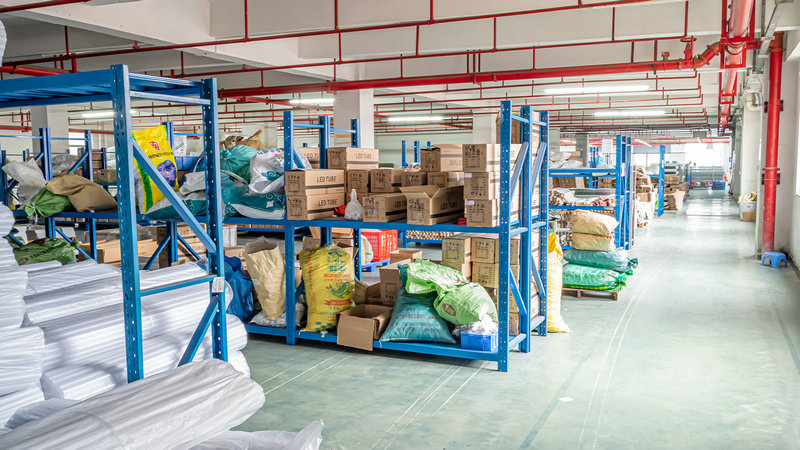
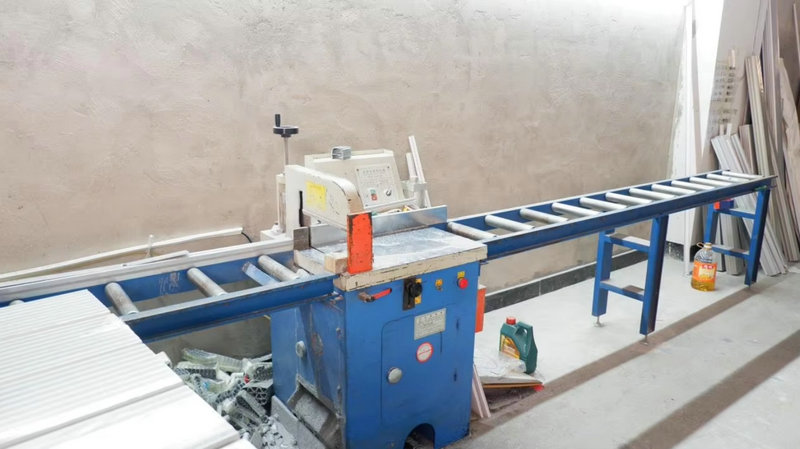
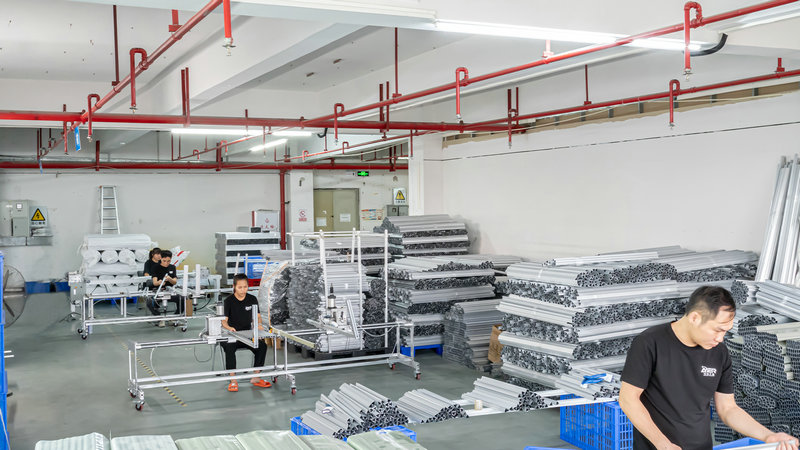
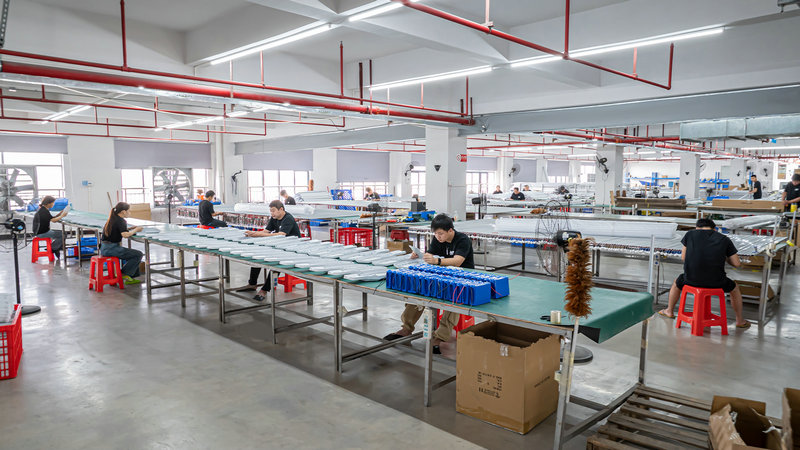
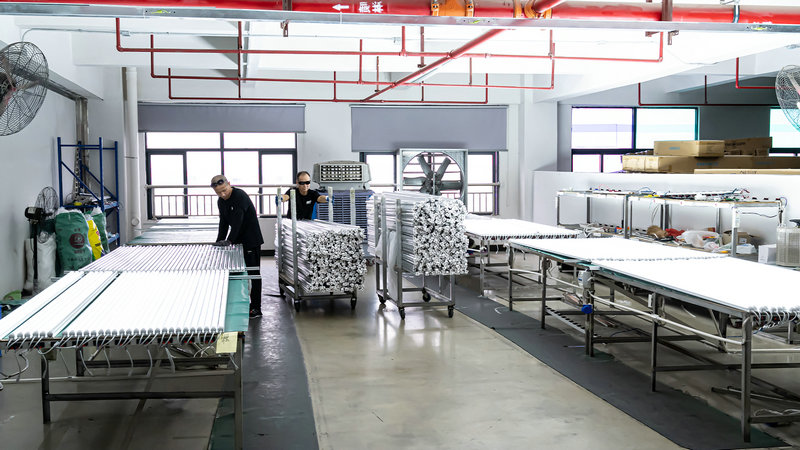
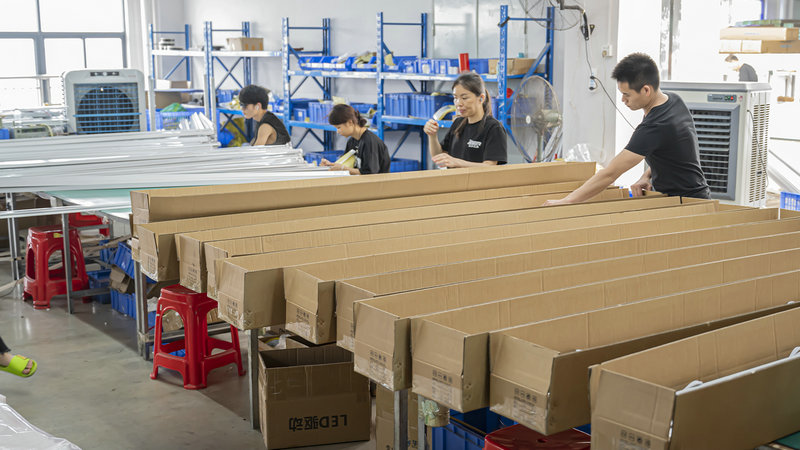
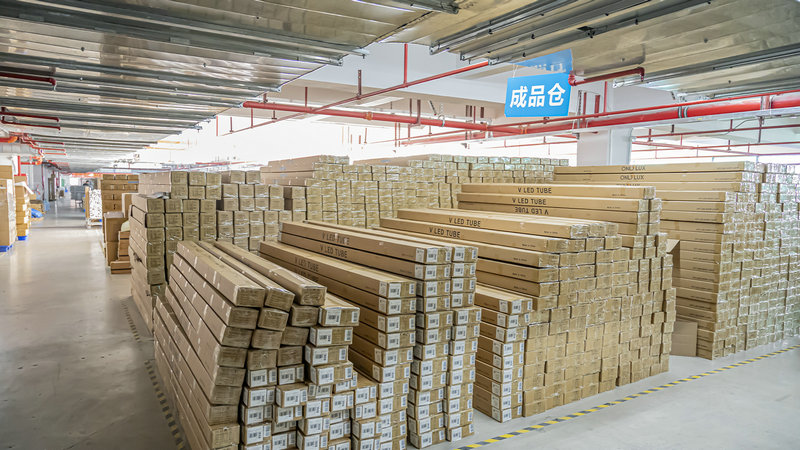
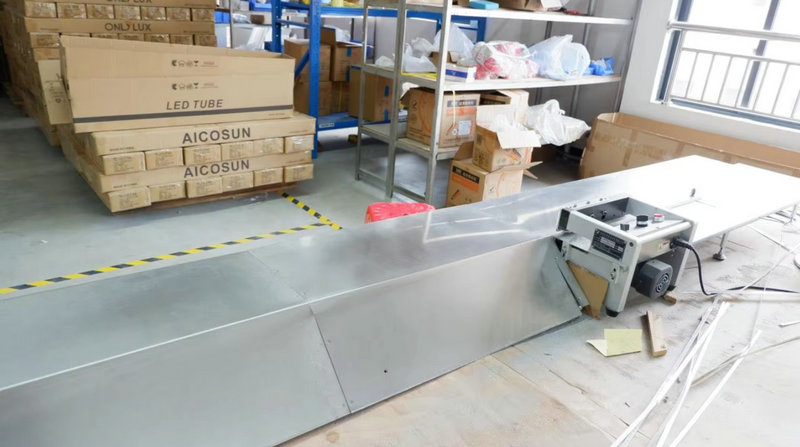
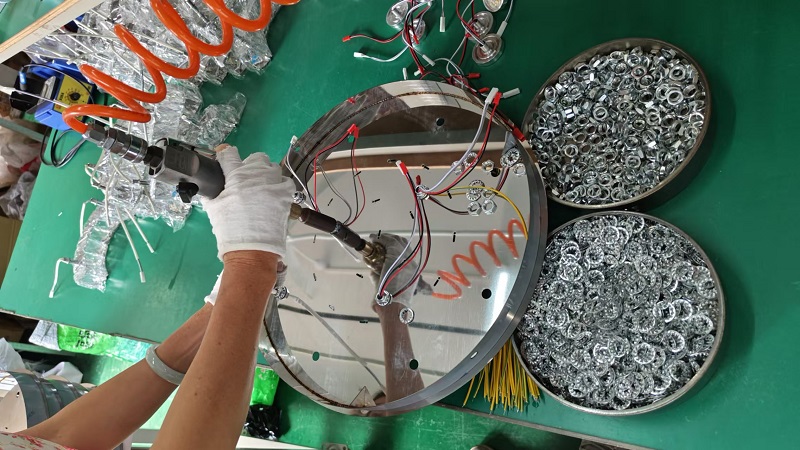
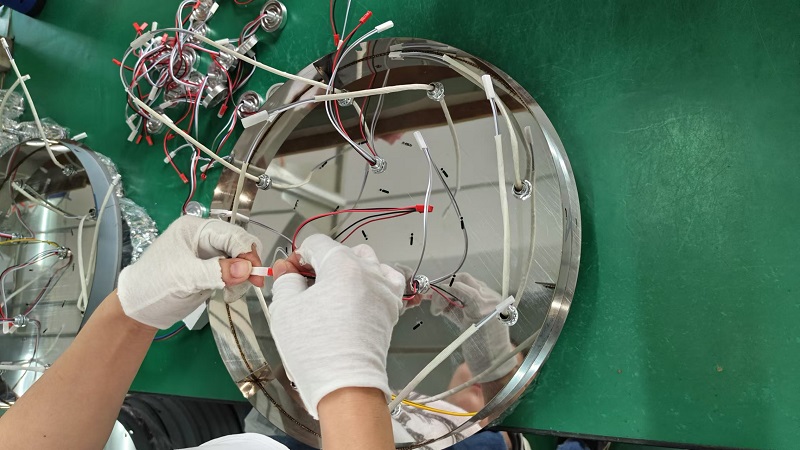
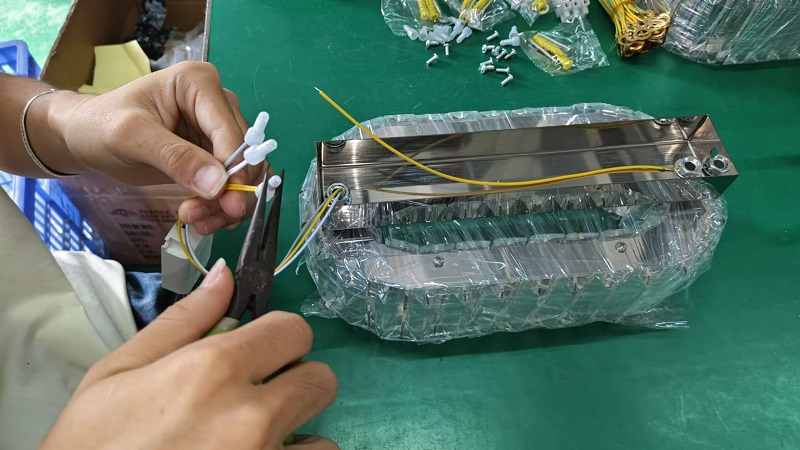
The concentration of solid-state lighting production in China is backed by strong economic and operational advantages. Chinese lighting manufacturers are not just low-cost assemblers; they lead in technological innovation and supply-chain efficiency. Here is why global enterprises choose to partner with manufacturers in China:
Modern lighting applications demand tailored designs that optimize illumination, reduce glare, and resist environmental hazards. Shandong SciBrite designs lighting fixtures for specific, demanding applications:
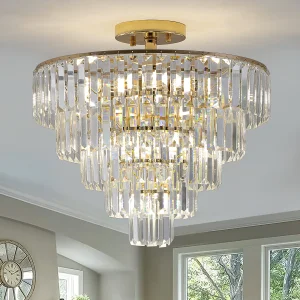
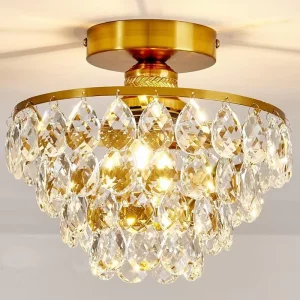
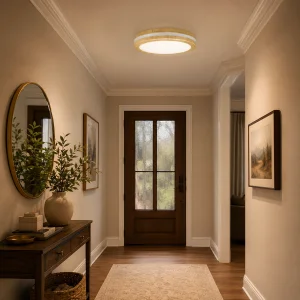
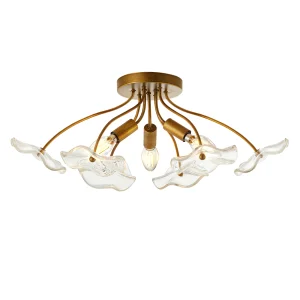
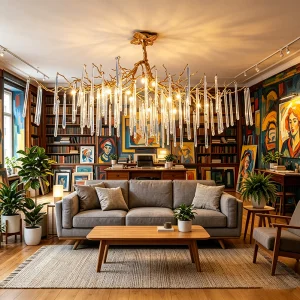
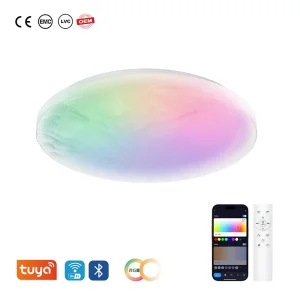
Aesthetic, high-CRI fixtures with smooth dimming, such as the *Luxury Modern Brass Branch Chandelier* and *Smart WiFi Minimalist Ceiling Lights*, are designed to create comfortable, inviting indoor environments.
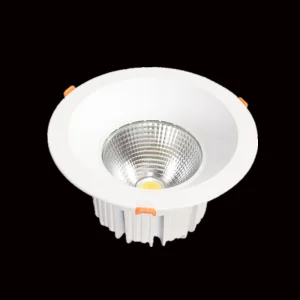
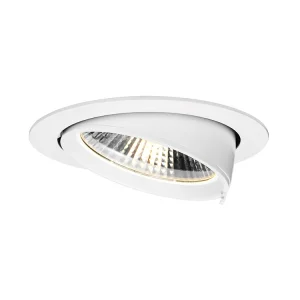
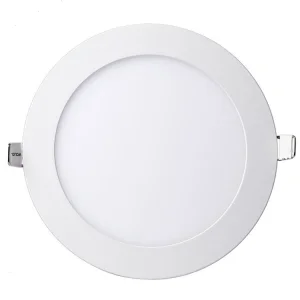
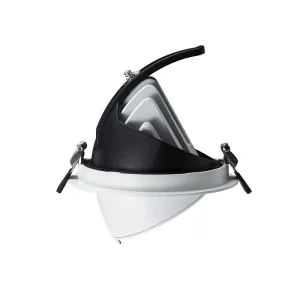
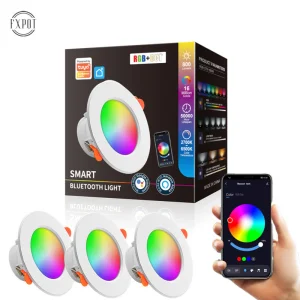
Precision retail environments demand high-contrast directional lighting. Our *COB LED Gimbal Recessed Downlights* and *RGB App-Controlled Panel Lights* allow businesses to highlight products while keeping glare low (UGR < 19).
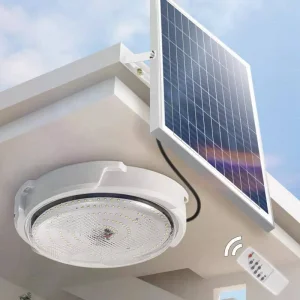
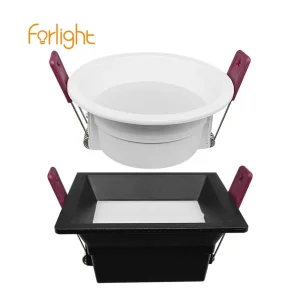
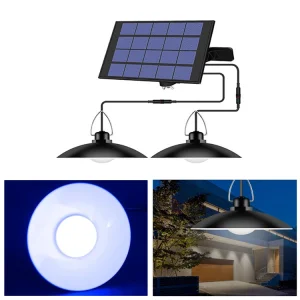
Dusty warehouses and outdoor environments need rugged protection. SciBrite's *Waterproof Solar Ceiling Lights* and *IP44-Rated Downlights* deliver reliable performance even in harsh conditions without raising utility bills.
The lighting industry continues to evolve beyond simple light emission. Five major trends are currently shaping the future of this sector:
When sourcing industrial and commercial lighting products, procurement officers must look beyond unit costs. Assessing total cost of ownership (TCO) requires evaluating several technical and operational factors:
The useful life of an LED (often defined as L70—the point where light output drops to 70% of its initial level) is primarily determined by junction temperature and driver components. Proper thermal dissipation keeps junction temperatures below 85°C. At the same time, high-quality electrolytic capacitors within the driver are key to preventing premature failures.
We maintain strict color consistency by sourcing LED chips within a tight MacAdam Ellipse tolerance (SDCM ≤ 3). We also use automated optical sorting machines that group LEDs by color temperature, luminous flux, and forward voltage before PCB assembly.
We offer comprehensive OEM/ODM services. Clients can customize structural designs, housing finishes, custom PCB sizes, custom drivers, branded packaging, and laser-engraved logos to suit their market.
All industrial lights undergo a rigorous QC check, including ground connection tests, high-voltage leakage tests, and a continuous 24-to-48-hour burn-in and aging test with fast-switching voltage cycles. This helps identify and filter out any early-stage component issues.