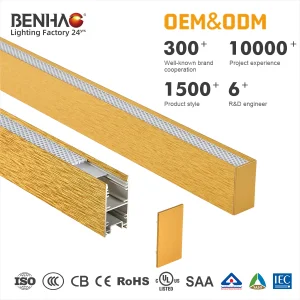
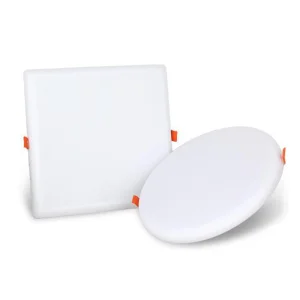
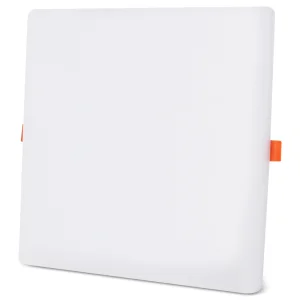
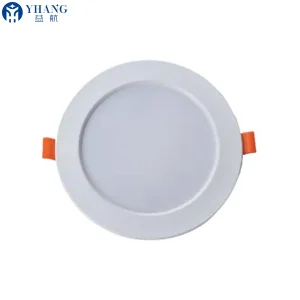
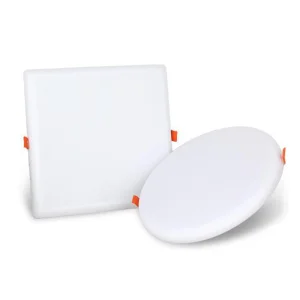
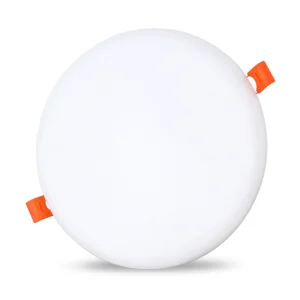
Explore our premium architectural grade slim lighting solutions engineered for low-plenum space constraints.
A Professional Analysis of Architectural Integration, Energy Regulatory Frameworks, and Supply Chain Dynamics
The global construction and architectural lighting industry has witnessed a paradigm shift toward low-profile, energy-efficient fixtures. Ultra-thin recessed lighting, colloquially known as slim canless downlights, has emerged as a cornerstone in residential and commercial developments. Historically, traditional recessed lighting required bulky housings, or "cans," that demanded significant plenum depth (typically 6 to 8 inches) and exact joist alignment. Today's commercial landscapes demand space optimization, motivating structural engineers and architects to minimize ceiling drops to maximize usable space and room heights.
This space limitation has accelerated the compound annual growth rate (CAGR) of ultra-thin recessed lighting. According to market intelligence, the demand is particularly robust across North America and Europe, driven by stringent energy codes (such as California Title 24, IECC, and the European ErP directives) and the expansion of multi-family high-density housing. Furthermore, retrofitting older masonry and concrete structures with drop ceilings has become more feasible through these luminaires, which require as little as 0.5 to 1.5 inches of vertical clearance. By utilizing remote junction boxes that house the driver separate from the light engine, manufacturers have bypassed the physical limitations of traditional luminaires, making thin downlights the standard specification for architectural layouts.
A Deep Dive into Edge-lit vs. Backlit Technology, Thermal Management, and Driver Engineering
As a leading supplier in the solid-state lighting sector, we categorize ultra-thin recessed lighting into two main optical paths: Edge-lit and Backlit (Direct-lit) designs. Understanding the trade-offs between these configurations is critical for professional procurement agents and MEP engineers.
Edge-lit designs utilize a Light Guide Plate (LGP) to channel light from perimeter LEDs downwards. Backlit designs position LEDs directly behind a PMMA or PS diffuser, yielding higher luminous efficacy (up to 120 lm/W) and eliminating the risk of LGP-induced yellowing over time.
Ultra-thin profiles suffer from compressed surface areas. We mitigate thermal boundary resistance by using high-conductivity die-cast aluminum alloys (Al6063) for housing, ensuring junction temperatures stay below 85°C to preserve driver and LED package longevity.
Quality light engines require robust power electronics. Our drivers feature active power factor correction (PFC > 0.95), low total harmonic distortion (THD < 15%), and options for phase-cut (Triac), 0-10V, or DALI dimming protocols for smart integration.
| Technical Metric | Edge-Lit Slim Downlights | Backlit Flat Panel Downlights | COB High-Output Downlights |
|---|---|---|---|
| Profile Depth | 0.47" - 0.75" (Ultra-thin) | 0.9" - 1.2" (Medium-thin) | 1.3" - 1.8" (Deep-well COB) |
| Luminous Efficacy | 80 - 95 lm/W | 100 - 120 lm/W | 95 - 115 lm/W |
| Glare Control (UGR) | UGR < 22 (Standard) | UGR < 19 (With micro-prismatic diffuser) | UGR < 15 (Excellent directional focus) |
| Component Longevity | Dependent on LGP material (PMMA is best) | Excellent (No LGP degrading risk) | Excellent due to localized heat sink |
Your Trusted OEM/ODM Manufacturing Partner in Linyi, Shandong, China
Shandong SciBrite Lighting Co., Ltd. is a professional manufacturer specializing in the research, development, production, and sales of high-quality LED lighting products. With years of industry experience and a strong commitment to innovation, we provide reliable lighting solutions for residential, commercial, and industrial applications worldwide.
Our main product range includes LED ceiling lights, ceiling lamp bases, moisture-proof lights, bulkhead lights, panel lights, and other indoor lighting products. We also offer comprehensive OEM and ODM services, enabling customers to customize product design, specifications, packaging, and branding according to their market requirements. Whether for engineering projects, wholesale distribution, cross-border e-commerce, or private-label business, SciBrite Lighting is dedicated to delivering flexible and professional solutions.
Located in Linyi, Shandong Province, China, our company operates modern manufacturing facilities equipped with advanced production equipment and complete testing systems. From product design and mold development to manufacturing, quality inspection, and packaging, every production process is carried out under strict quality control to ensure stable performance, safety, and long service life.
Our experienced R&D and technical teams continuously develop innovative products that meet international market standards while improving energy efficiency and user experience. We are committed to providing environmentally friendly, durable, and cost-effective lighting solutions for customers around the world. Today, our products are exported to many countries and regions, including Europe, North America, South America, Southeast Asia, the Middle East, and Africa. Through reliable product quality, competitive pricing, on-time delivery, and responsive customer service, we have established long-term partnerships with customers across the globe and earned an excellent reputation in the international market.
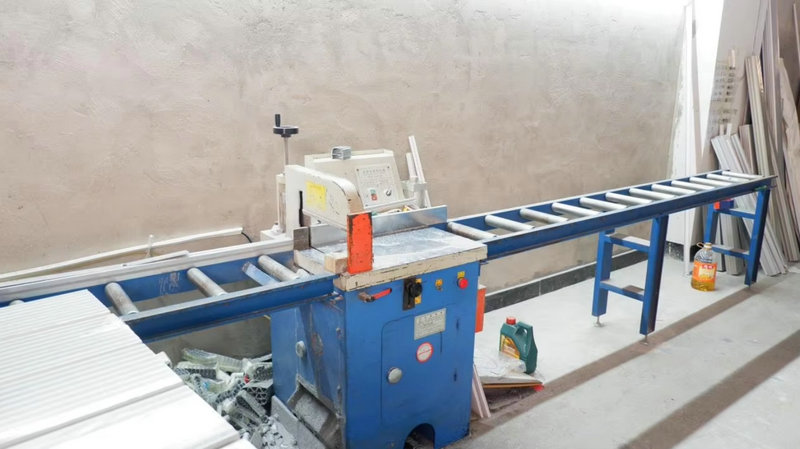
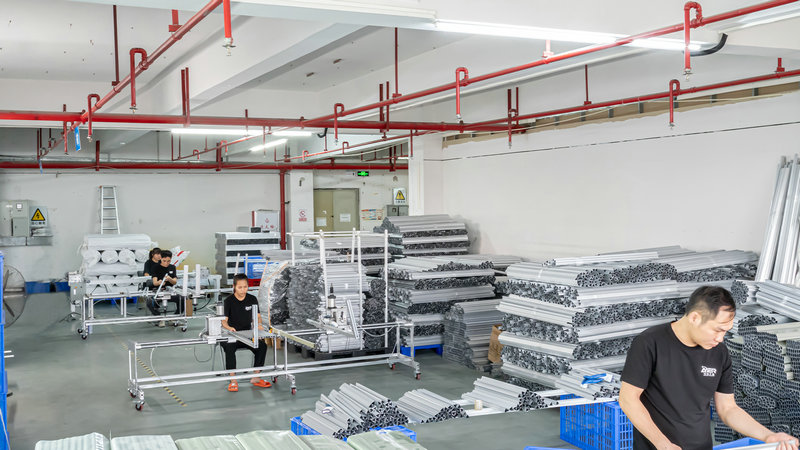
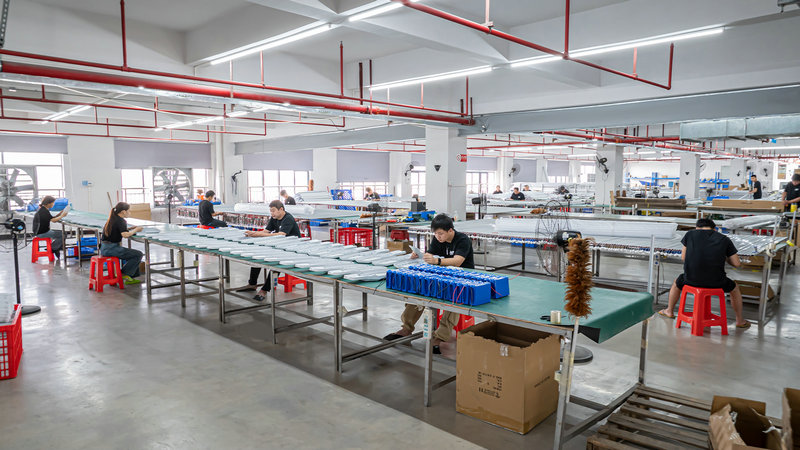
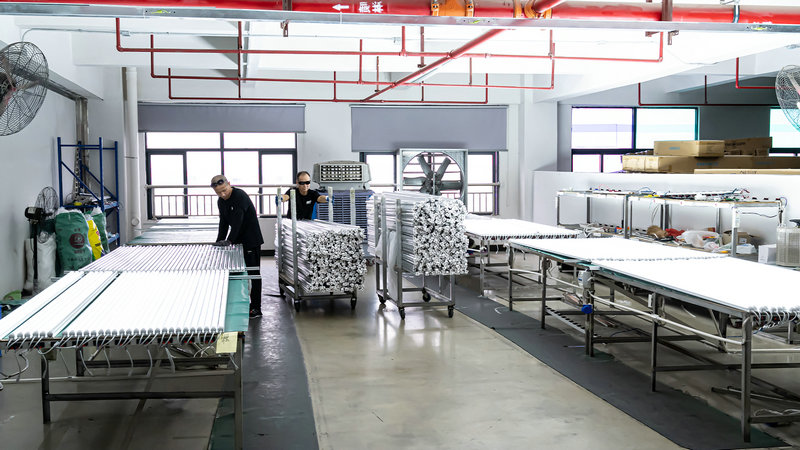
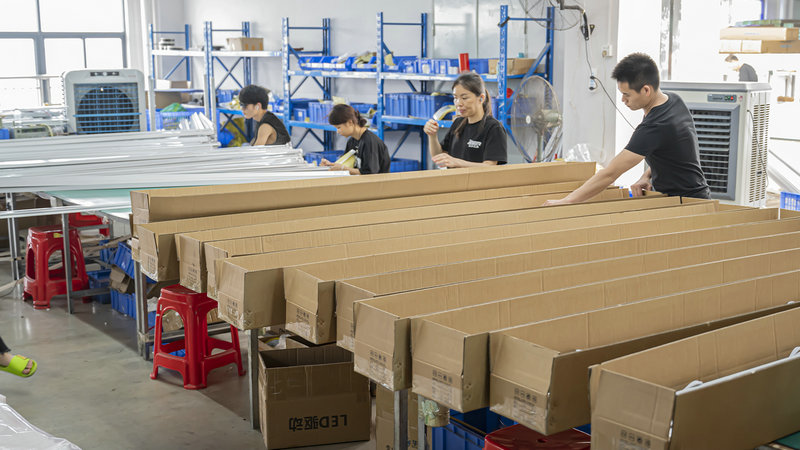
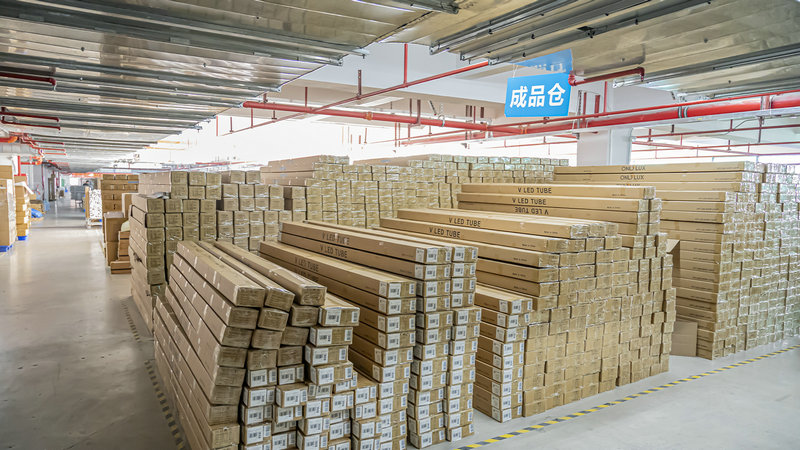
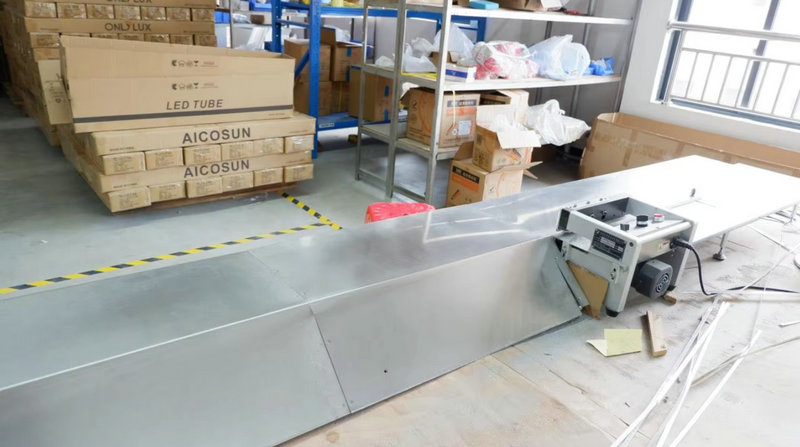
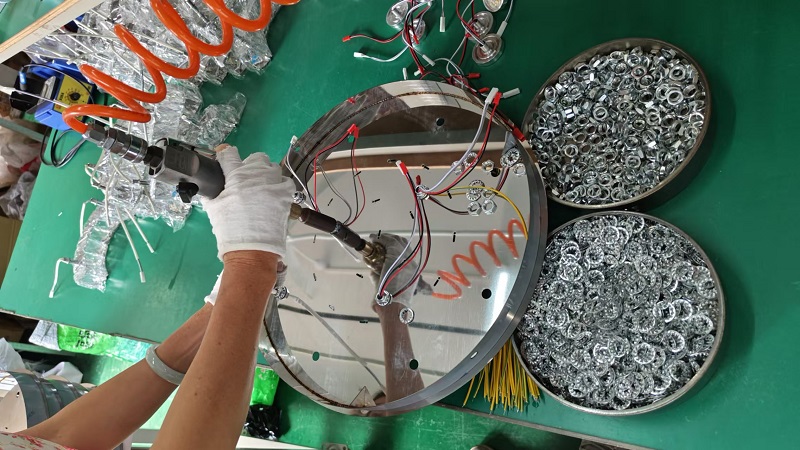
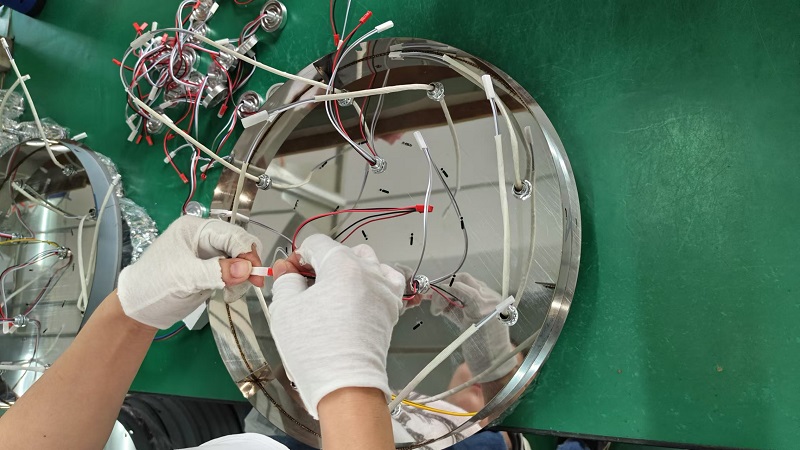
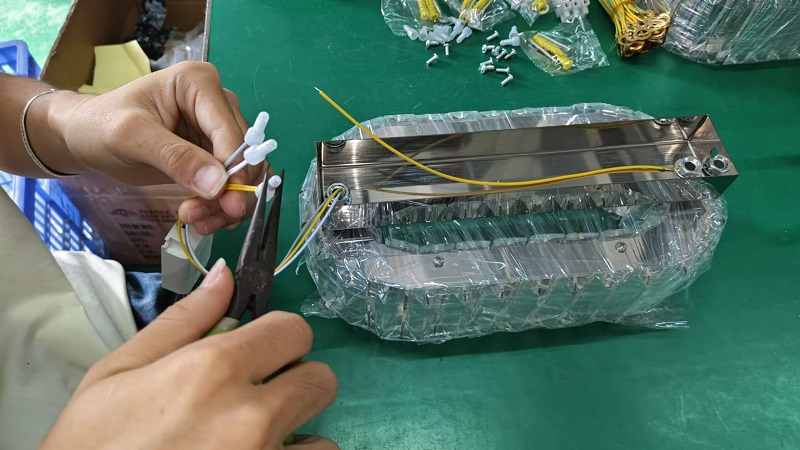
Tracing the lifecycle of our luminaires from raw extrusion to finished product QC

How Modern Project Specifiers Leverage Canless Luminaires Across Diverse Climates and Environments
Different markets present distinct mechanical, acoustic, and environmental hurdles. Our R&D engineering has refined product designs specifically for these local nuances:
The Future of Smart, Circular-Economy, and Tunable Architectural Solid-State Lighting
The next generation of ultra-thin recessed lighting goes beyond physical shape. Our roadmap focuses on several major changes:
1. Human-Centric Lighting (HCL) & Tunable White Integration: Modern buildings are increasingly prioritizing wellness. Dynamic CCT adjustments, shifting from warm 2700K in the evening to cool 5000K at solar noon, align with natural circadian rhythms. Utilizing Bluetooth Mesh, Zigbee, or Matter protocols, our smart-enabled drivers adjust seamlessly to natural light cycles.
2. Driver-on-Board (DOB) and Driverless Tech: To make fixtures even thinner and reduce assembly labor, our R&D team is developing advanced driver-on-board linear AC configurations. By removing electrolytic capacitors, which are often the first component to fail, the overall lifespan of our fixtures matches the L90 lifetime of the LED chips themselves.
3. Sustainability and Circular Design: Regulations like the EU's Ecodesign Directive demand that light sources and control gears be easily serviceable. We design our frameless and ultra-thin recessed lines with replaceable light modules and recyclable aluminum, reducing long-term electronic waste.
Technical Answers to Complex Procurement, Electrical, and Structural Engineering Queries
Explore our industrial-grade, waterproof, and high-power recessed panel luminaires.