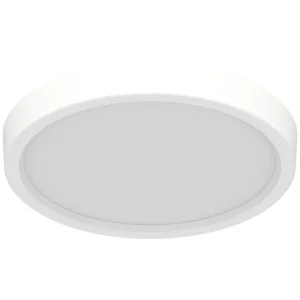
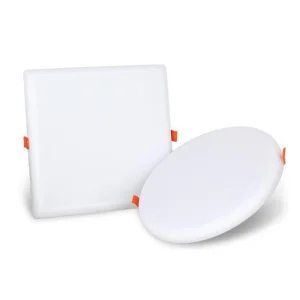
High-efficacy, dimmable, and smart flush-mount fixtures designed to meet global standards (ETL, CE, SAA) for commercial and high-density residential properties.
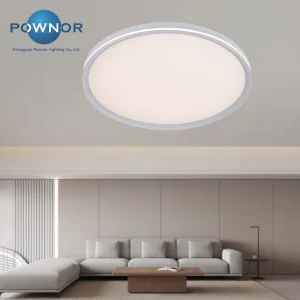
Understanding the macro-trends, energy mandates, and architectural demand shifts driving the modern interior lighting landscape.
In the contemporary architectural landscape, flush-mount and recessed lighting fixtures have evolved from basic functional illumination units to highly engineered elements crucial for building energy efficiency, occupant well-being, and spatial aesthetics. The global market for commercial and residential flush-mount indoor lights is witnessing an unprecedented transformation, driven by strict building codes, decarbonization goals, and the rise of smart building automation systems.
Historically, flush-mount lights were restricted to residential hallways or utility spaces. Today, they dominate commercial offices, hospitality venues, health clinics, and multi-family residential developments. The push toward minimalist aesthetics combined with the technical requirement to maximize vertical spatial clearance (especially in modern high-density structural designs) has positioned flush-mount profiles as the preferred choice for real estate developers and electrical contractors worldwide.
Europe and North America currently represent the largest consumption markets for premium flush-mount fixtures, heavily regulated by standard bodies like Energy Star, Title 24 JA8 (California), ETL, UL, CE, SAA, and S&O certifications. Meanwhile, the Asia-Pacific region acts as both the manufacturing heartland and a rapidly growing domestic consumer market due to massive urbanization and the construction of smart megacities. As regulatory pressures to curb greenhouse gases rise, OEMs must redesign products to optimize luminous efficacy, reduce harmonic distortion, and implement circular design principles to satisfy strict environmental, social, and governance (ESG) corporate mandates.
The technological trajectory from basic solid-state lighting to connected, humancentric, and ecologically optimized light environments.
Modern indoor lighting design focuses on mimicking natural daylight cycles to optimize circadian rhythms. Modern OEM factories are migrating from standard phosphor-converted blue LEDs to full-spectrum (SunLike) chips that minimize the harmful blue light spike, achieving a Color Rendering Index (CRI) Ra > 95 (with R9 red levels above 80). Spectral control allows office workers and residential tenants to benefit from improved alertness during the day and better sleep quality at night.
A key development limiting flush-mount thickness is the optimization of electronic drivers. The industry is rapidly shifting toward integrated Gallium Nitride (GaN) driver components and driver-on-board (DOB) technologies. These drivers reduce spatial envelopes by up to 50% while improving power factor correction (PFC > 0.95) and minimizing Total Harmonic Distortion (THD < 15%). These modifications directly mitigate the thermal accumulation that limits the lifespan of cheap LED fixtures.
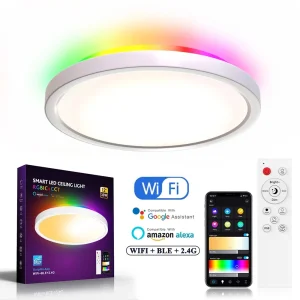
Connected lighting is no longer a luxury segment. End-users expect fixtures that seamlessly integrate into wider ecosystems via DALI-2, Zigbee 3.0, Matter, or Bluetooth Mesh protocols. Multi-sensor configurations featuring built-in daylight harvesting and high-frequency motion detection (PIR and microwave) optimize energy conservation, reducing operational utility expenses in commercial settings by up to 65% when paired with automated management engines.
Under the European Ecodesign Directive, the industry is transitioning to modular architectures where LEDs and drivers can be individually replaced rather than discarding the entire housing. Eco-friendly materials, such as Post-Consumer Recycled (PCR) polycarbonate diffusers and high-conductivity thermal plastics (PBT) mixed with recycled aluminum, are replacing raw plastics to decrease the product's carbon footprint.
How distinct architectural sectors apply specific flush-mount technologies to solve structural, safety, and operational challenges.
Requirement: Low-profile aesthetics, cost-effective shipping, rapid twist-and-lock installations, and Title 24 compliance.
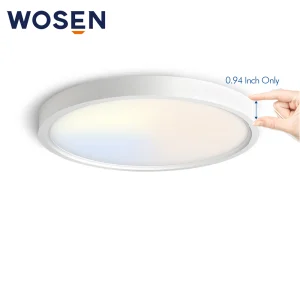
Solution: The integration of 5CCT (Color Temperature Selectable) ultra-thin edge-lit flat panels allows developers to purchase a single SKU and adjust color output (from 2700K warm amber to 5000K daylight) during installation, preventing inventory overload and optimizing matching metrics across varying room finishes.
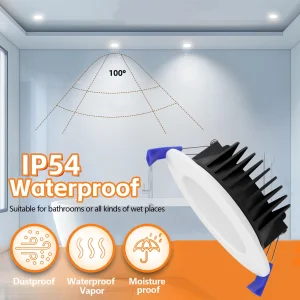
Requirement: Strict glare limits (UGR < 19), IP54/IP65 ratings for wet sanitization, and dust-impermeable sealed housings.
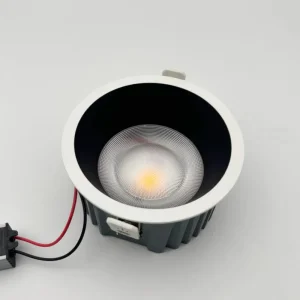
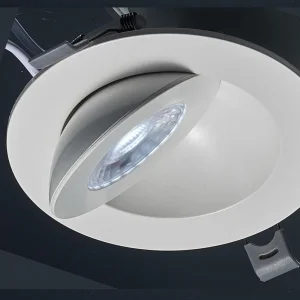
Solution: Micro-prismatic diffusers coupled with deep-recessed high-power COB waterproof downlights prevent glare discomfort for patients in bed, while silicon-gasketed, fire-rated assemblies satisfy hygienic requirements and local building safety codes.
Requirement: Flicker-free illumination complying with IEEE 1789 standards to reduce eye strain, high lumen output, and integration with solar-tied DC microgrids.
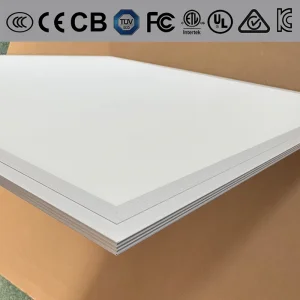
Solution: Low-ripple isolated constant-current drivers operating on low-voltage DC grids, coupled with high-efficiency 59.5x59.5cm flat panel lay-ins, ensuring safe, long-term working environments in schools and corporate towers.
An established global manufacturing partner specialized in advanced LED development, structural mold design, and comprehensive OEM/ODM supply chains.
Shandong SciBrite Lighting Co., Ltd. is a professional manufacturer specializing in the research, development, production, and sales of high-quality LED lighting products. With years of industry experience and a strong commitment to innovation, we provide reliable lighting solutions for residential, commercial, and industrial applications worldwide.
Our main product range includes LED ceiling lights, ceiling lamp bases, moisture-proof lights, bulkhead lights, panel lights, and other indoor lighting products. We also offer comprehensive OEM and ODM services, enabling customers to customize product design, specifications, packaging, and branding according to their market requirements. Whether for engineering projects, wholesale distribution, cross-border e-commerce, or private-label business, SciBrite Lighting is dedicated to delivering flexible and professional solutions.
Located in Linyi, Shandong Province, China, our company operates modern manufacturing facilities equipped with advanced production equipment and complete testing systems. From product design and mold development to manufacturing, quality inspection, and packaging, every production process is carried out under strict quality control to ensure stable performance, safety, and long service life.
Our experienced R&D and technical teams continuously develop innovative products that meet international market standards while improving energy efficiency and user experience. We are committed to providing environmentally friendly, durable, and cost-effective lighting solutions for customers around the world.
Today, our products are exported to many countries and regions, including Europe, North America, South America, Southeast Asia, the Middle East, and Africa. Through reliable product quality, competitive pricing, on-time delivery, and responsive customer service, we have established long-term partnerships with customers across the globe and earned an excellent reputation in the international market.
Adhering to the business philosophy of "Quality First, Innovation Driven, Customer Focused, and Win-Win Cooperation," Shandong SciBrite Lighting Co., Ltd. continuously strives to create greater value for our customers and partners. We warmly welcome customers from around the world to cooperate with us and build a brighter future together.
To assure a low RMA rate (<0.2%), every stage of fabrication follows strict QA protocols—from raw material screening to final high-voltage aging tests.

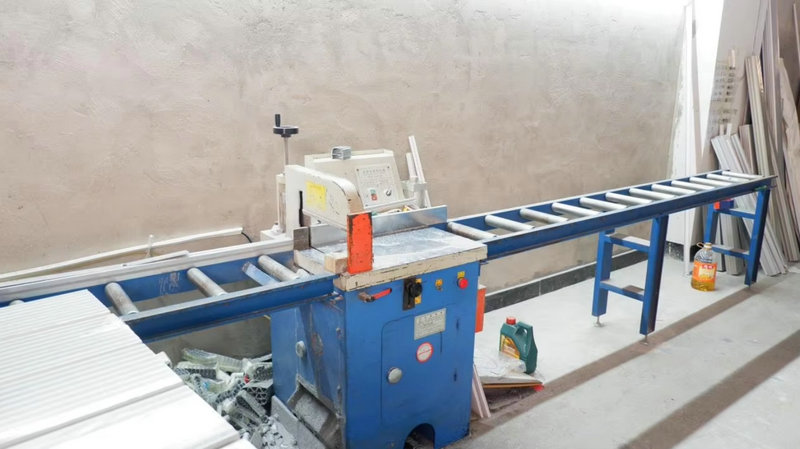
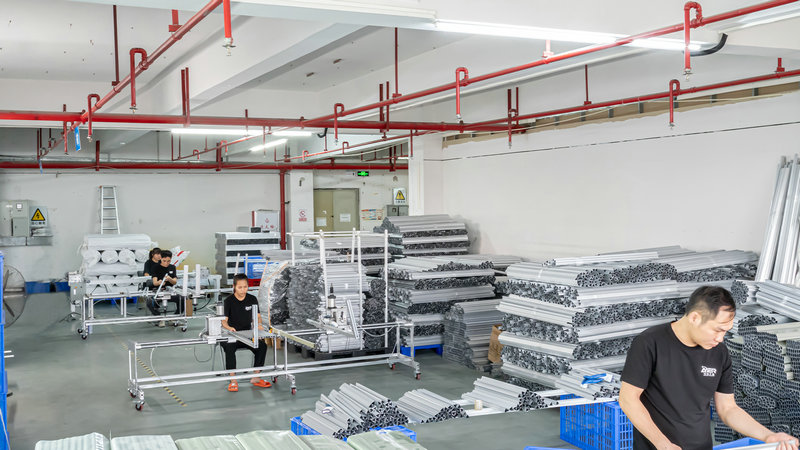
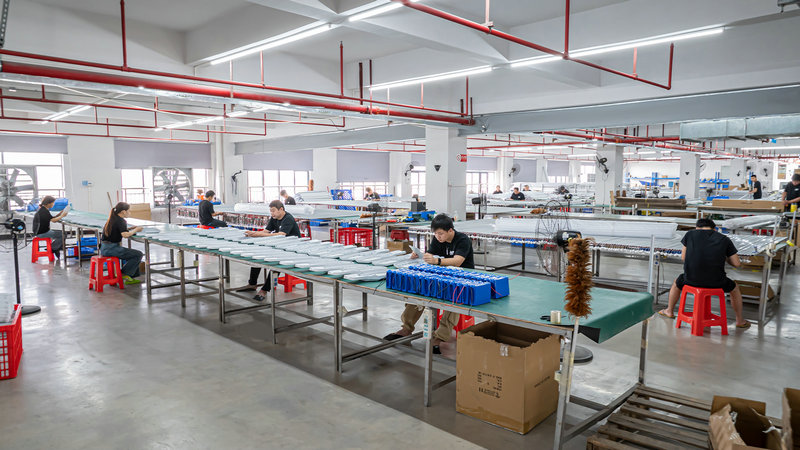
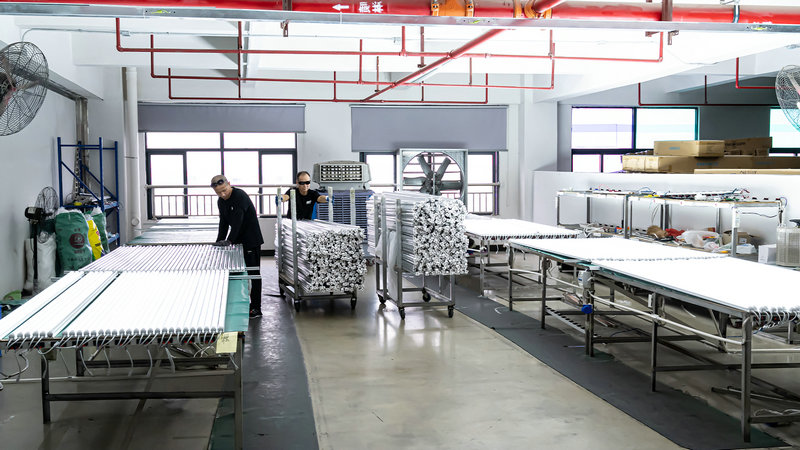
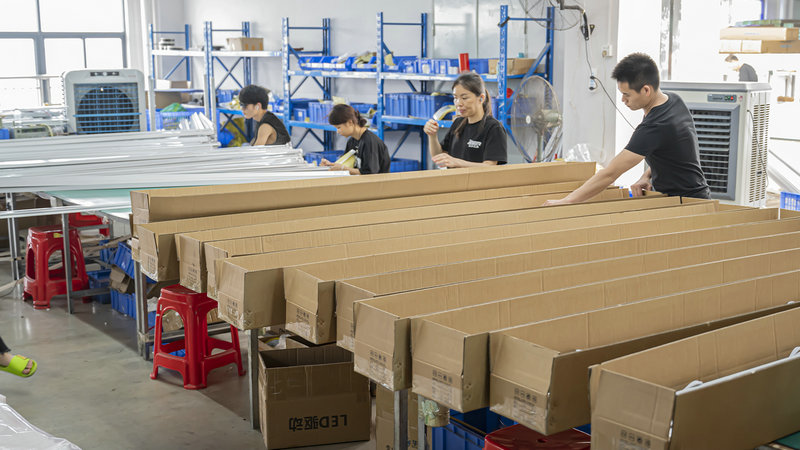
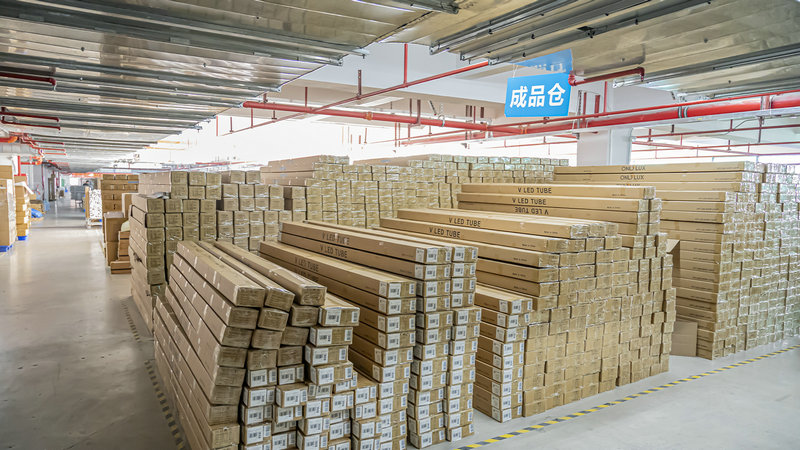
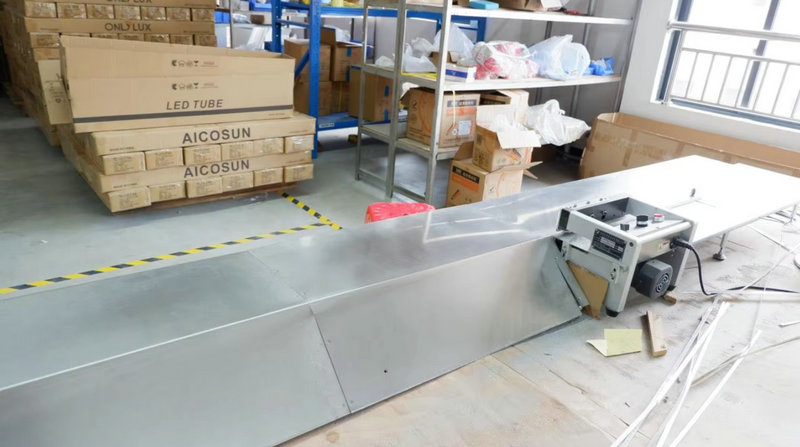
Our production facilities utilize automated assembly technology to maintain consistent solder joints, accurate optics alignment, and electrical safety.
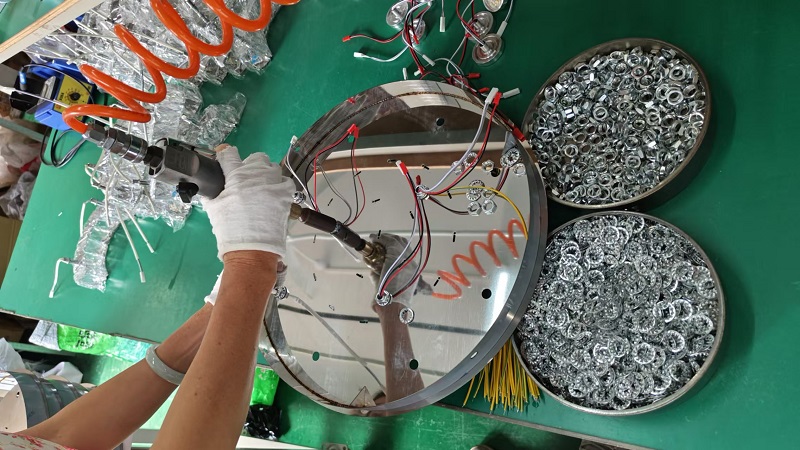
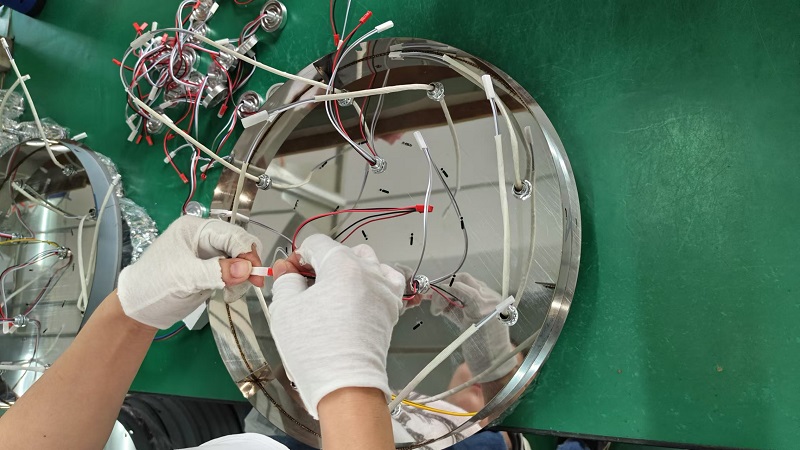
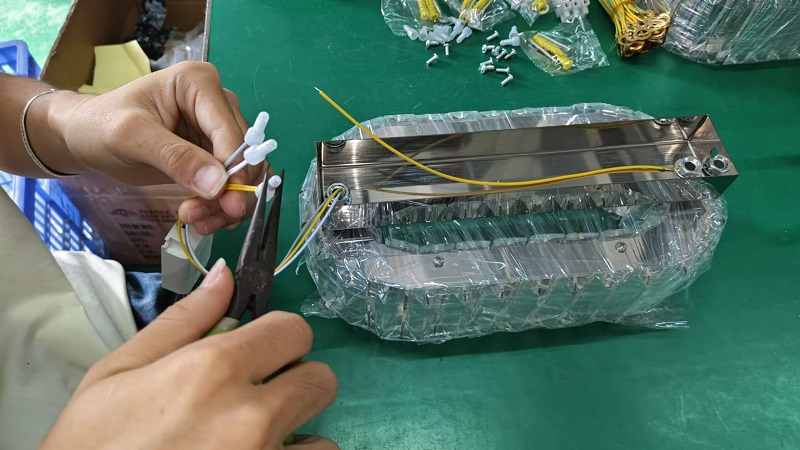
From initial optical simulation to mass production, our integrated framework reduces time-to-market for international importers.
Partnering with a reliable factory is critical to maintaining a healthy margin. Shandong SciBrite Lighting Co., Ltd. provides a transparent step-by-step engineering workflow for high-volume orders:
Direct answers regarding specifications, integration protocols, and manufacturing limits of commercial flush-mount fixtures.
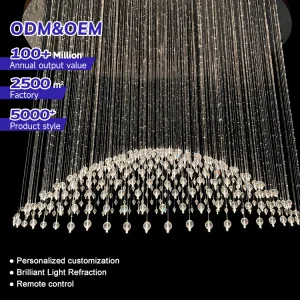
Explore our specialized catalog, featuring heavy-duty waterproof spotlights, custom chandeliers, sensor-activated bulkheads, and frameless flat panel fixtures.