
White Paper: Semi-Flush Mount Ceiling Lights in the Irish Construction & Retrofit Industry
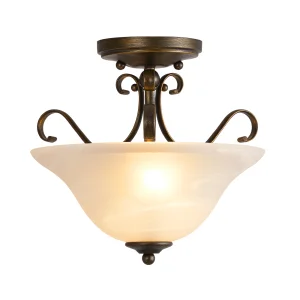
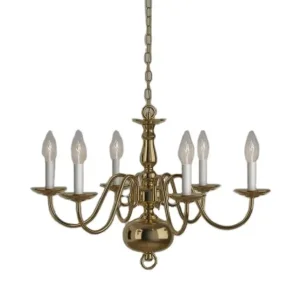
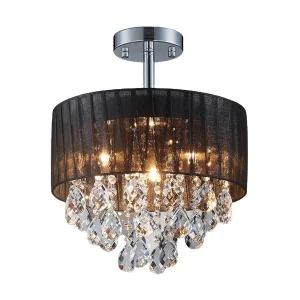
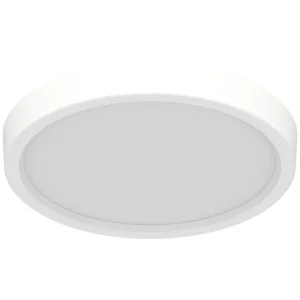
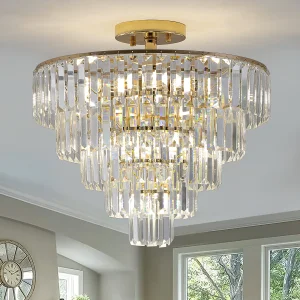
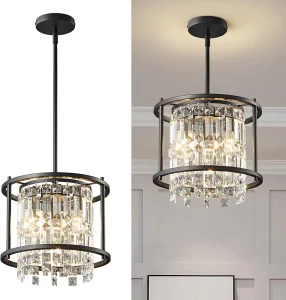
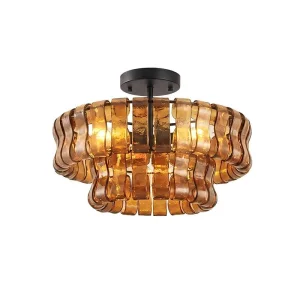
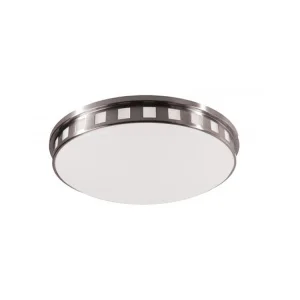
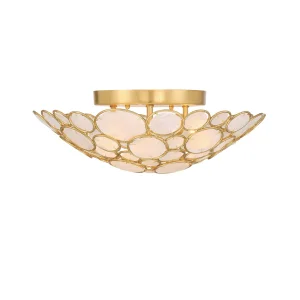
The architecture of Ireland presents a unique juxtaposition. From the historic Georgian facades of Dublin's Fitzwilliam Square and the heritage homes of Cork, to the ultra-modern, high-density apartment blocks emerging in tech hubs like Galway and Limerick, lighting requirements are shifting. In particular, semi-flush mount ceiling lights have risen to prominence. Unlike traditional drop chandeliers that demand high vertical space, or flush mounts that sit flat against the ceiling, semi-flush lights drop slightly (typically 10 to 30 cm), creating an ambient crown of light on the ceiling plane while maintaining structural clearance.
Ireland's Commercial and Industrial Lighting Landscape
Ireland's rapid urbanization and strict building height limits—particularly in historic city centers—have resulted in modern multi-family housing developments and corporate offices designed with ceiling heights under 2.5 meters. Standard hanging fixtures reduce active walking clearance, posing visual clutter and potential safety risks. Consequently, mechanical and electrical (M&E) contractors, interior designers, and property developers across Ireland are prioritizing space-efficient, high-output semi-flush fixtures. In hotel refurbishments, boutique pubs, and private rentals, these lights offer the decorative aesthetics of a chandelier with the functional safety profile of a flush mount.
Global Market Context & The Rise of Decorative Semi-Flush Fixtures
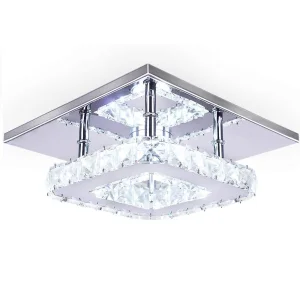
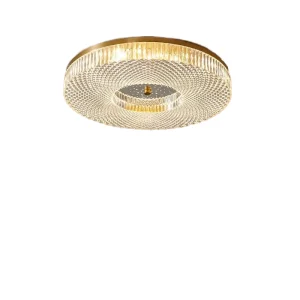
Globally, the architectural lighting sector is undergoing a paradigm shift towards energy efficiency, sustainable design, and smart building integration. The transition from legacy incandescent and compact fluorescent (CFL) light sources to integrated, dimmable LED arrays has enabled manufacturers to design extremely thin profiles. This evolution is vital for semi-flush mounts, which now incorporate materials like K9 crystal, hand-blown glass, brushed nickel, and electroplated brass. The global commercial market requires modularity, allowing a single base model to adapt to multiple color temperatures (2700K to 6500K) and various voltage environments (110V to 240V).