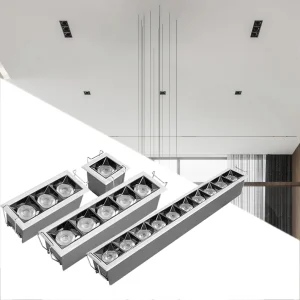
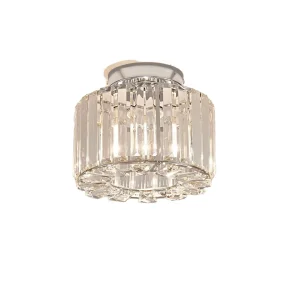
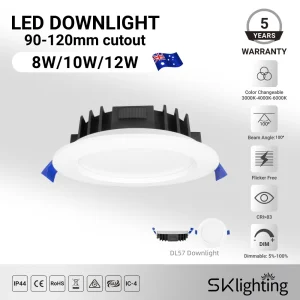
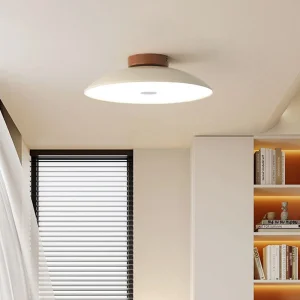
Decoding structural market transformations, advanced optical technologies, and structural demands in high-end architecture.
In contemporary architectural design, the integration of light and structure has shifted from traditional point-source downlights to continuous, seamless lighting systems. Linear recessed lighting represents the pinnacle of this evolution. By recessing luminaires into ceilings, walls, and architectural details, designers can define volumetric space, direct traffic flow, and create sophisticated atmospheres without visual clutter. The global market for commercial linear profiles is experiencing exponential growth, driven by rapid urbanization, energy-efficiency regulations, and a paradigm shift toward human-centric lighting designs.
From modern corporate headquarters in New York to luxury retail storefronts in Tokyo, linear recessed fixtures have become the standard for architectural lighting. The reasons extend beyond clean aesthetics. Advanced aluminum extrusions combined with high-grade optical diffusers (such as micro-prismatic and opal PMMA) distribute lumens evenly with minimal Unified Glare Rating (UGR < 19). Furthermore, the integration of IoT-enabled LED drivers supports dynamic CCT tuning (from 2700K warm glow to 6500K cool task light), promoting circadian alignment in commercial spaces.
Procurement directors and commercial electrical engineers face strict regulatory frameworks regarding power consumption and safety. Systems must satisfy local certifications such as ETL/UL for North America, SAA for Australia, and CE/RoHS for the European Union. Consequently, finding a supplier that offers not just products, but verified, certified lighting assemblies with advanced thermal management and robust driver designs is critical to preventing project delays and warranty claims.
Your Strategic OEM/ODM Manufacturing Partner in Northern China
Shandong SciBrite Lighting Co., Ltd. is a professional manufacturer specializing in the research, development, production, and sales of high-quality LED lighting products. With years of industry experience and a strong commitment to innovation, we provide reliable lighting solutions for residential, commercial, and industrial applications worldwide.
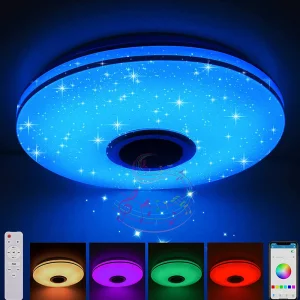
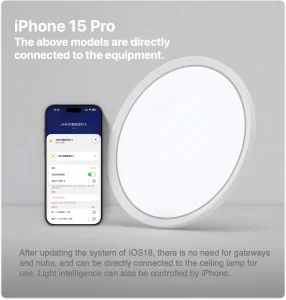
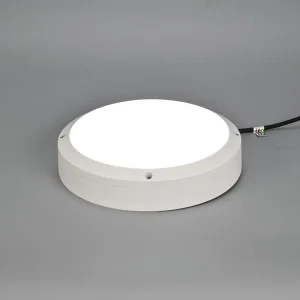
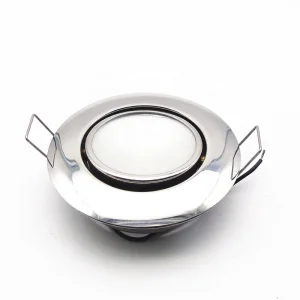
Our main product range includes LED ceiling lights, ceiling lamp bases, moisture-proof lights, bulkhead lights, panel lights, and other indoor lighting products. We also offer comprehensive OEM and ODM services, enabling customers to customize product design, specifications, packaging, and branding according to their market requirements. Whether for engineering projects, wholesale distribution, cross-border e-commerce, or private-label business, SciBrite Lighting is dedicated to delivering flexible and professional solutions.
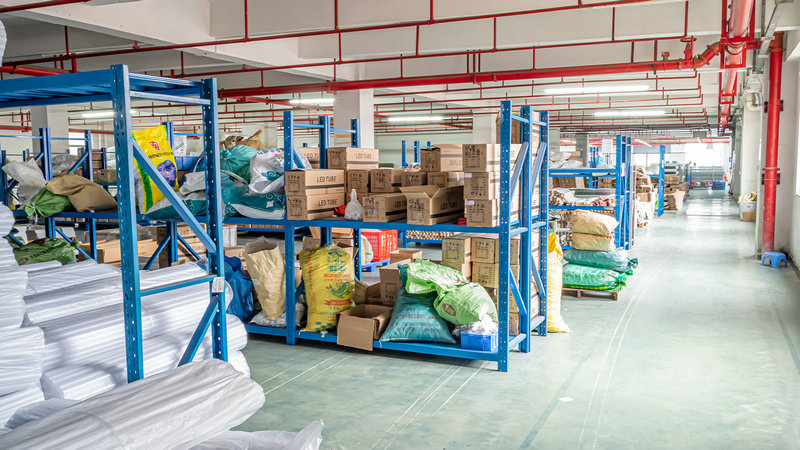
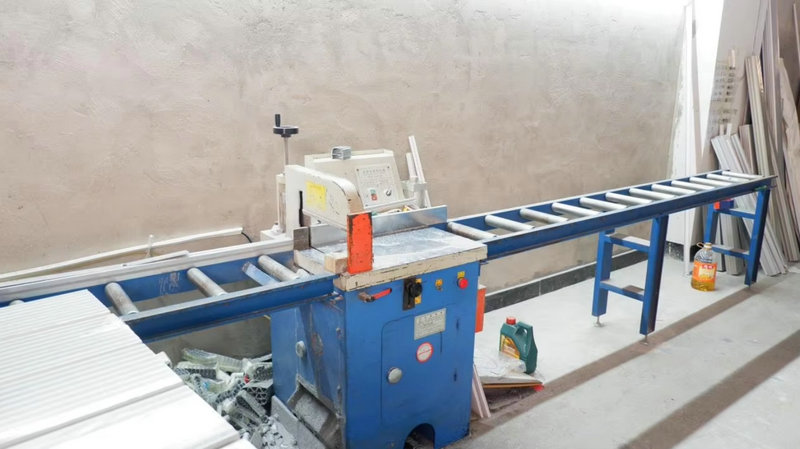
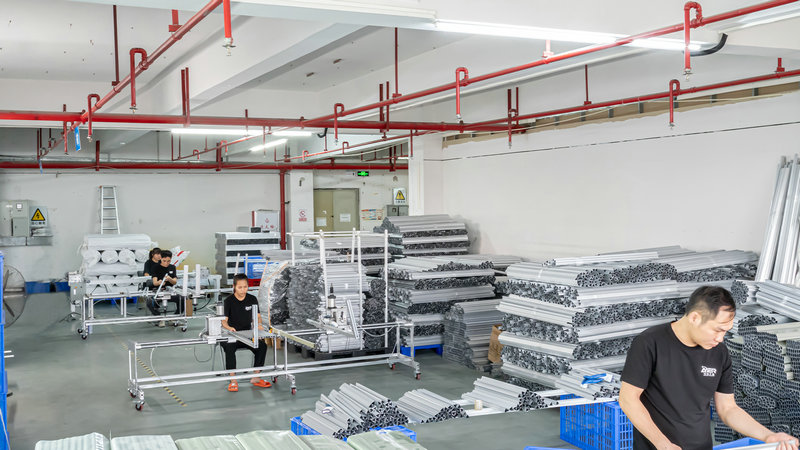
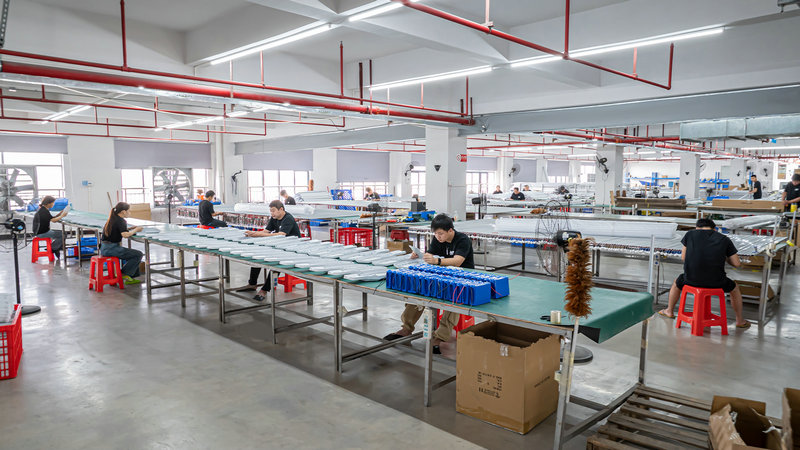
Located in Linyi, Shandong Province, China, our company operates modern manufacturing facilities equipped with advanced production equipment and complete testing systems. From product design and mold development to manufacturing, quality inspection, and packaging, every production process is carried out under strict quality control to ensure stable performance, safety, and long service life.
Our experienced R&D and technical teams continuously develop innovative products that meet international market standards while improving energy efficiency and user experience. We are committed to providing environmentally friendly, durable, and cost-effective lighting solutions for customers around the world.
Today, our products are exported to many countries and regions, including Europe, North America, South America, Southeast Asia, the Middle East, and Africa. Through reliable product quality, competitive pricing, on-time delivery, and responsive customer service, we have established long-term partnerships with customers across the globe and earned an excellent reputation in the international market.
Adhering to the business philosophy of "Quality First, Innovation Driven, Customer Focused, and Win-Win Cooperation," Shandong SciBrite Lighting Co., Ltd. continuously strives to create greater value for our customers and partners. We warmly welcome customers from around the world to cooperate with us and build a brighter future together.
How our Linyi hub optimizes production, material sourcing, and global distribution.
Located in Shandong, SciBrite benefits from direct, localized access to high-purity 6063-T5 aluminum extrusions and structural plastics. This localized supply chain reduces raw material transit costs and allows us to pass these cost efficiencies directly to our clients.
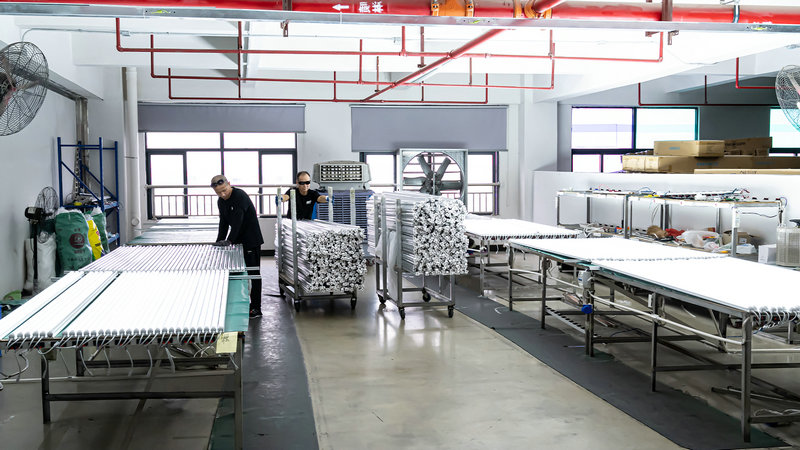
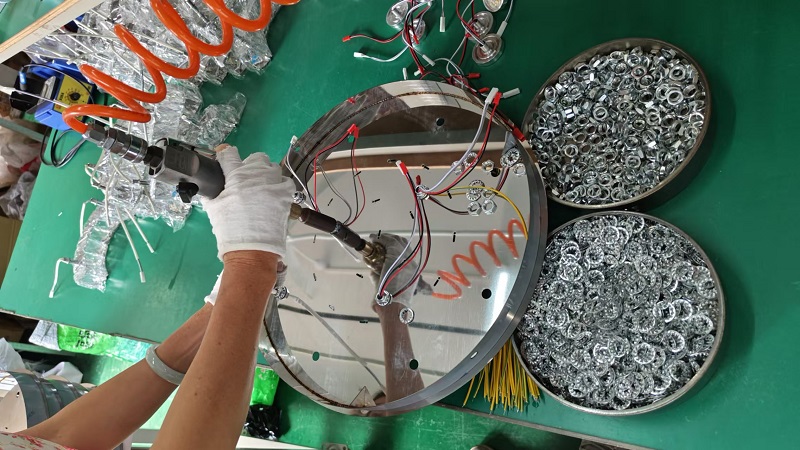
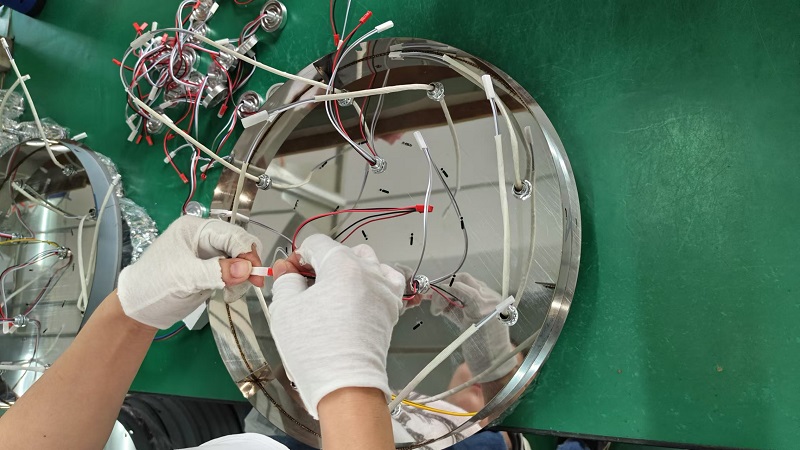
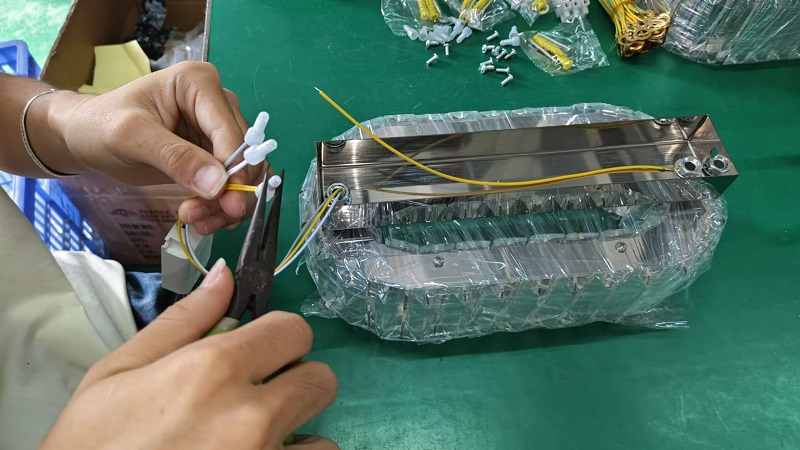
By blending state-of-the-art semi-automated precision machinery with highly skilled manual oversight, we maintain tight tolerance levels on profile cuts, connection junctions, and LED module mounting. This achieves minimal waste and continuous product quality.
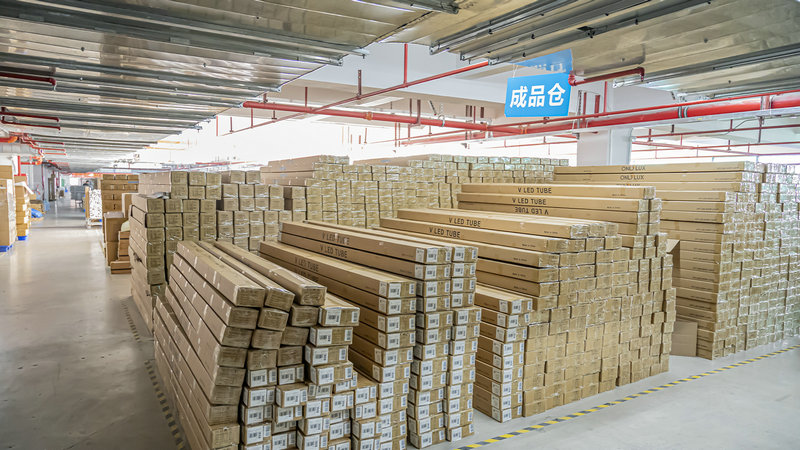
Every single driver and LED linear module undergoes a high-voltage stress test and a continuous 24-to-48-hour thermal aging inspection. We ensure zero infant mortality rates in electronic components prior to export packaging.
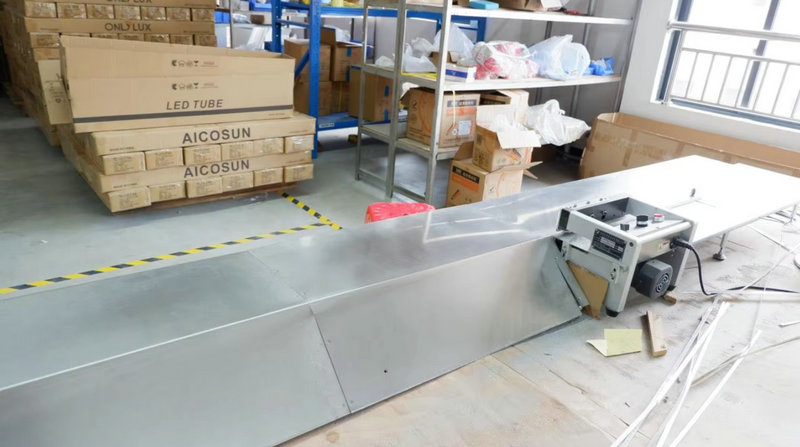
Real steps taken in our Linyi production facility to ensure structural integrity and electrical longevity.

Matching regional demands and structural lighting design methodologies.
Architectural lighting design must adapt to regional electrical standards, local environment profiles, and client aesthetic preferences. SciBrite's modular design system allows for simple localization of linear layouts across global zones:
In the USA and Canada, the emphasis is heavily placed on safety codes, energy performance, and smart office environments. Requirements call for ETL/UL listings, plenum-rated wiring, and dimming integrations via 0-10V or digital protocols. Recessed linear luminaires in corporate facilities are regularly combined with occupancy and photosensors to comply with ASHRAE 90.1 energy guidelines.
European design guidelines focus on visual comfort and health in the workplace. Office installations frequently specify linear lights with UGR < 19 to minimize eye strain. There is also a major push toward circular design, requiring easily replaceable LED engines and drivers to minimize electronic waste, alongside native DALI-2 integration.
Projects in the GCC region and Southeast Asia require robust thermal management due to higher ambient temperatures. Heat-dissipating aluminum profiles must operate consistently up to 45°C without compromising the lifetime of the internal LED driver. For wet areas, commercial kitchens, and outdoor canopies, robust ingress protection (IP65 / IP67) is mandatory.
| Target Region | Common Application Scenarios | Required Standards & Ratings | Optimal Optical Configuration |
|---|---|---|---|
| North America | Corporate Offices, University Libraries, Commercial Malls | ETL, UL, FCC Class A, Title 24 | Opal PMMA Diffuser, 0-10V / Matter Dimming |
| Europe / UK | Co-working Spaces, High-end Retail, Art Galleries | CE, RoHS, ErP Compliant, UGR<19 | Micro-prismatic Louvers, DALI-2 Tunable White |
| Australia / NZ | Residential Towers, Health Facilities, Public Infrastructure | SAA, C-Tick, IC-4 Rated Downlights | Flush Frosted Covers, Ultra-slim Cutouts |
| ME / Southeast Asia | Luxury Resorts, Canopy Walkways, Transit Stations | IP65 Bulkhead, High Temperature Drivers | Polycarbonate Anti-UV Lens, External Driver Compartment |
The linear lighting market is moving rapidly toward miniaturization and integration. Linear profiles are narrowing down from 50mm to as small as 15mm, offering minimalist "lines of light" without compromising lumen outputs. Control protocols are also shifting. Traditional wired systems are increasingly being replaced by wireless mesh solutions such as Matter over Thread and Zigbee, allowing building managers to monitor power usage, adjust CCT, and schedule lighting sequences via cloud apps.
Strategic steps to ensure quality, cost efficiency, and timely delivery on commercial schedules.
For B2B buyers, importing lighting products from China involves balancing cost efficiency with product reliability. A breakdown in product quality or shipment delays can shut down a job site and incur significant penalties. Sourcing directors must analyze several key factors:
Answering essential inquiries about recessed linear systems, manufacturing capabilities, and global certifications.