Top 10 Kitchen Ceiling Light Color Temperatures Explained?

Time:2026-08-16 Author:Madeline
0%

Choosing the right color temperature for kitchen ceiling lights is crucial. The ambiance you create can influence cooking, dining, and socializing. But what is the best color temperature for kitchen ceiling lights? This question often puzzles homeowners and designers alike.

Typically, kitchen lighting should strike a balance between functionality and comfort. Daylight bulbs, offering around 5000K, mimic natural light. They enhance visibility for meal preparations and tasks. Warmer temperatures, around 2700K to 3000K, create a cozy atmosphere. However, they may not always provide adequate brightness for specific tasks.

The confusion around color temperature can lead to poor choices. Many people ignore how light affects mood and efficiency. A well-lit kitchen is not just about aesthetics; it's about experience. Consider how different temperatures impact your cooking creativity. A thoughtful approach can transform your kitchen into a space you love.
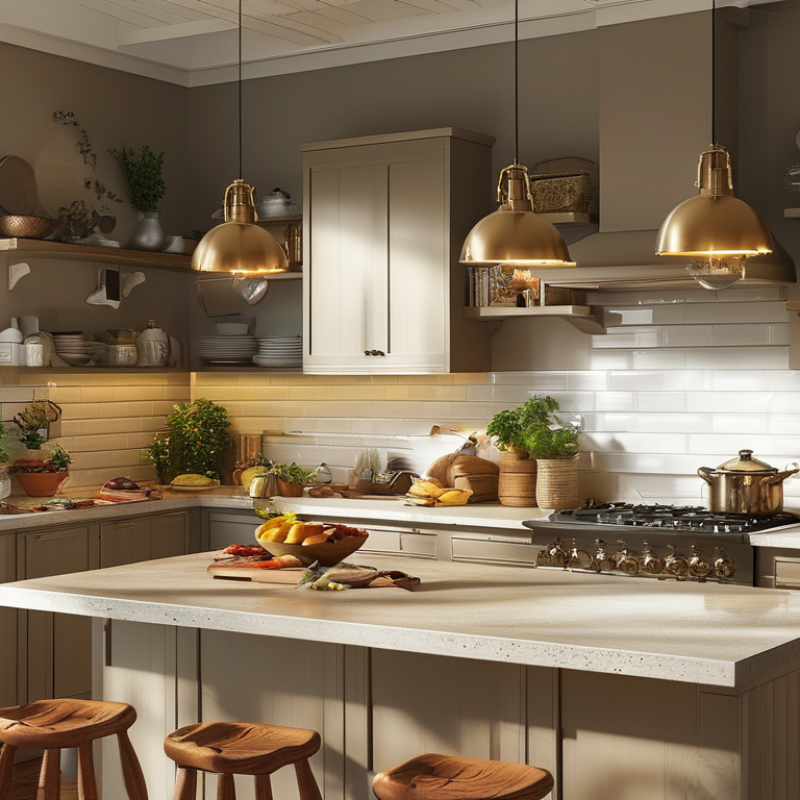
Top 10 Kitchen Ceiling Light Color Temperatures Explained?

Understanding Color Temperature and Its Importance in Kitchen Lighting

Color temperature plays a crucial role in kitchen lighting. It is measured in Kelvin (K) and affects how we perceive light. A range of 2700K to 3000K is considered warm white. This temperature creates a cozy atmosphere but may not be ideal for food preparation. Warmer tones often lead to a relaxed vibe, which can be great for dining areas but might not enhance visibility during cooking tasks.

On the other hand, a cooler color temperature, around 4000K to 5000K, offers a more vibrant and energizing environment. This can help improve focus and visibility when chopping, sautéing, or baking. Bright, white light is essential in a kitchen. It reduces shadows and highlights colors in food, making preparation more enjoyable. However, too cool a light may feel harsh and uninviting.

Choosing the right color temperature requires some thought. It is about finding a balance that supports your cooking style while creating a welcoming space. Many homeowners underestimate the impact of light quality. Experimenting with different bulbs can help you discover what works best. Involving family members during this selection process can lead to better satisfaction with your kitchen environment.

The Role of Light Bulb Types in Determining Color Temperature

The color temperature of kitchen ceiling lights plays a crucial role in creating the desired ambiance. Different light bulb types impact this temperature significantly. For example, LED bulbs typically offer a range from warm to cool light. This variation can affect how colors appear in your kitchen. A warm light can make your space feel inviting, while cool light might enhance focus and make details more vivid.

It's essential to consider the intended use of your kitchen. Warm white bulbs often suit cozy dining areas. In contrast, daylight bulbs are better for task-oriented spaces. Intensity and tone create an atmosphere. Using a mix can lead to balance, but it requires careful planning. Sometimes, the wrong choice can lead to an unappealing space. Experimenting with different bulbs might not yield perfect results initially. Be patient in finding what works best for you.

Understanding the science behind color temperature is valuable. It influences mood and functionality. Noticing how light interacts with your kitchen can help make informed decisions. Every choice contributes to the overall comfort and efficiency of your cooking space. This creates an engaging environment that's both functional and aesthetic.

Top 10 Kitchen Ceiling Light Color Temperatures Explained

Light Bulb Type Color Temperature (Kelvin) Description
Incandescent 2700K - 3000K Warm white, ideal for a cozy atmosphere.
LED - Warm White 2700K - 3000K Similar to incandescent, soft glow for relaxation.
LED - Cool White 4000K - 4500K Neutral tone for clarity and productivity.
Fluorescent 3500K - 5000K Bright light for task-oriented spaces.
LED - Daylight 5000K - 6500K Mimics natural daylight, promotes alertness.
Halogen 2900K - 3100K Bright, focused light with high color fidelity.
Compact Fluorescent (CFL) 2700K - 5000K Energy efficient, available in a range of tones.
Smart LED 2000K - 6500K Customizable light temperatures via apps.
Bi-color LED 3000K - 6000K Adjustable color settings for desired ambiance.
T5 Fluorescent 3000K - 6500K Slim form factor, bright illumination for kitchens.

Exploring the Range of Color Temperatures for Kitchen Ceiling Lights

Choosing the right color temperature for your kitchen ceiling lights is crucial. It influences the overall mood and functionality of the space. In kitchens, common color temperatures range from warm whites (3000K) to cool whites (5000K). Warm whites create a cozy atmosphere, ideal for family gatherings. Meanwhile, cooler tones are vibrant, perfect for cooking and meal prep.

Understanding these ranges helps in making informed decisions. A lower temperature around 3000K works well in open-plan areas, enhancing warmth. Higher temperatures, like 5000K, mimic daylight, enhancing focus and detail. However, balance is key. Overly bright lights can be harsh.

Many people overlook the impact of color temperature. It can either energize or create fatigue. It's about finding a personal comfort zone. Experimenting with different tones may be necessary. Trust your instincts when choosing lights. Kitchen lighting should reflect your personality while serving its purpose effectively.

Top 10 Kitchen Ceiling Light Color Temperatures Explained

How to Choose the Right Color Temperature for Your Kitchen Aesthetic

Choosing the right color temperature for your kitchen can greatly impact its atmosphere. The color temperature is measured in Kelvin (K). A lower number, like 2700K, gives off a warm, cozy vibe. This can make your kitchen feel inviting. On the other hand, a range of 4000K to 5000K offers a more neutral light. This is ideal for task areas, such as countertops.

Consider your kitchen's overall design. If it features wooden cabinets, warm light complements the natural tones. Conversely, a modern kitchen with stainless steel might look better with bright, cooler lighting. Many people overlook the importance of layering light. Combining different color temperatures can create depth. It gives your kitchen a dynamic feel. Some may feel uncertain about choosing the perfect balance.

Pay attention to your activities in the kitchen. If you often cook, bright lighting helps you see details clearly. For social gatherings, softer lighting sets a more relaxed mood. Reflect on how you use your kitchen space. Adjusting the color temperature can transform the room. Small changes can lead to substantial differences in ambiance. Consider experimenting with different bulbs to find what works best for you.

Comparing Warm, Cool, and Daylight Color Temperatures in Kitchen Settings

When selecting ceiling lights for your kitchen, color temperature plays a crucial role in setting the ambiance. Warm white (2700K-3000K) creates a cozy atmosphere. It's ideal for family gatherings and casual dining. This temperature mimics sunrise or sunset light, enhancing food colors. A study by the National Lighting Bureau found that warm lighting can increase relaxation in dining spaces.

Cool white lights (3500K-4100K) offer a balance between warm and daylight shades. These are effective for task-oriented settings. They enhance visibility on work surfaces, making cooking and food preparation easier. According to research, cool light improves concentration and productivity. However, some may find this light a bit harsh, especially in smaller spaces.

Daylight (5000K-6500K) lights are bright and stimulating. They mimic natural daylight, which can be uplifting. This temperature is suitable for kitchens where you want to enhance color accuracy. Yet, it can sometimes feel too clinical. Too much daylight can lead to eye strain in lownatural-light settings, demanding a careful balance in your choice.

FAQS

: What is color temperature in kitchen lighting?

: Color temperature affects the ambiance and functionality of kitchen lighting, influencing how colors appear.

What are the common color temperature ranges for kitchen lights?

Common ranges are warm whites (3000K) to cool whites (5000K). Warmer tones create coziness; cooler tones enhance focus.

How does warm white lighting benefit a kitchen?

Warm white lighting creates a cozy atmosphere, ideal for family gatherings and enhancing food colors.

What are the characteristics of cool white lights?

Cool white lights balance warmth and daylight, improving visibility for task-oriented areas like work surfaces.

How does daylight lighting impact a kitchen?

Daylight lighting mimics natural sunlight, enhancing color accuracy but can feel clinical and cause eye strain.

Can mixing different bulb types improve kitchen lighting?

Yes, mixing bulb types can create balance and enhance the ambiance, but it requires careful planning and testing.

Why is understanding color temperature important?

It influences mood, efficiency, and comfort, helping create a functional and appealing kitchen environment.

Is experimenting with lighting always easy?

No, finding the right combination may take time and patience; initial choices might not yield perfect results.

How can lighting affect productivity in the kitchen?

The right light can enhance focus and improve productivity, but overly bright light might lead to fatigue.

What should be considered when choosing bulbs for a kitchen?

Intended use, personal comfort, and the overall ambiance you want to create are essential factors to consider.

Conclusion

The article "Top 10 Kitchen Ceiling Light Color Temperatures Explained" provides a comprehensive overview of color temperature and its significance in kitchen lighting. It begins by explaining what color temperature is and how it influences the ambiance and functionality of a kitchen space. The piece highlights the various types of light bulbs available and their impact on the resulting color temperature. Additionally, it explores the range of color temperatures suitable for kitchen ceiling lights, detailing the differences between warm, cool, and daylight color temperatures.

A crucial part of the discussion focuses on how to determine what is the best color temperature for kitchen ceiling lights based on personal aesthetic preferences and practical needs. Ultimately, the article guides readers in making informed decisions to enhance their kitchen environment, ensuring both style and utility are achieved through appropriate lighting choices.

Madeline

Madeline

Madeline is a dedicated marketing professional with a wealth of expertise in our company's core offerings. With a keen understanding of the industry, she brings a unique perspective to her role, consistently delivering high-quality content that highlights the superior aspects of our products. As......