When considering bathroom ceiling lights, understanding the correct IP rating is crucial. The term "IP" stands for Ingress Protection. It indicates how well a fixture is protected against dust and moisture. In bathrooms, where humidity and water splashes are common, selecting the right rating ensures safety and longevity. Homeowners often ask, "what IP rating do I need for bathroom ceiling lights?"
Typically, you should look for an IP rating of at least IP44. This rating protects against water splashes from all directions. However, for areas directly above a shower or bathtub, a higher rating, such as IP65, may be necessary. Choosing the right rating isn't just about compliance; it also reflects your commitment to safety. It's important to remember that regulations can vary. Therefore, consulting a professional electrician is advisable to ensure your choice meets local guidelines.
Without proper lighting, a bathroom can become dark and uninviting. However, a poorly rated fixture can lead to hazards. Reflecting on your current options and their ratings can lead to better results. Ultimately, making informed choices about IP ratings will enhance your bathroom’s functionality and aesthetic appeal.
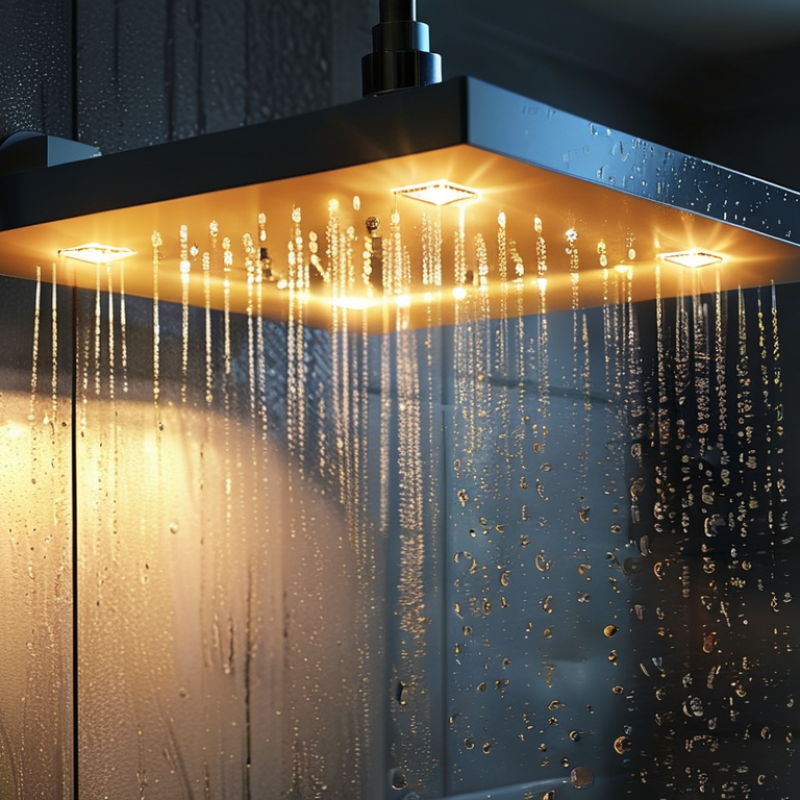
An IP rating, or Ingress Protection rating, indicates how well a fixture can withstand moisture and dust. It's crucial for bathroom ceiling lights, where humidity levels are often high. The rating consists of two numbers. The first number shows protection against solid objects. The second number shows protection against water.
Bathroom lighting should ideally have an IP rating of at least IP44. This rating means the lights are protected against splashes from all directions. Higher ratings, such as IP65, offer more robust protection. They can withstand water jets and are more suitable for areas near showers. Selecting the right IP rating reduces risks of short circuits and potential hazards.
Understanding IP ratings can be confusing. Not everyone knows that a higher number isn’t always necessary. Poor placement of lights can negate the benefit of a high IP rating. Additionally, some fixtures may perform well theoretically but fail in real-world conditions. Always assess your bathroom's unique environment before making a decision.
When selecting bathroom ceiling lights, understanding bathroom zones is crucial. Bathrooms are divided into different zones, each with varying levels of moisture exposure.
Zone 0 is inside the bath or shower, Zone 1 encompasses the tub area, and Zone 2 extends 0.6 meters outside these zones. This classification impacts your lighting choices significantly.
For areas with high moisture, such as Zone 0, an IP rating of at least IP67 is recommended. This rating indicates that the lighting can withstand immersion in water. For Zone 1, an IP65 rating is advised as it protects against water jets. These ratings ensure the safety of the lighting fixtures and prevent electrical malfunctions.
According to a study by the Lighting Research Center, appropriate lighting choices can also enhance safety and comfort in bathrooms.
Tips: Always check the IP rating before installation. Underestimating moisture levels may lead to costly repairs. In addition, consider the hue and brightness of your lights.
Warm white lights can create a relaxing atmosphere, while cooler tones add alertness.
Choosing lights without assessing zones can lead to unsafe environments. Many forget that a shower curtain can affect moisture levels too. Taking these details into account can greatly enhance both aesthetics and safety in your bathroom lighting.
When choosing ceiling lights for your bathroom, it's crucial to consider the IP rating. This rating indicates the light's protection against moisture and dust. Bathrooms have areas with various moisture levels. Each zone has specific IP requirements to ensure safety.
Zone 1, directly above the bath or shower, needs lights with an IP rating of at least IP65. These lights can withstand moisture and splashes. In Zone 2, the area surrounding the bath or shower, a minimum IP rating of IP44 is suitable. Lights here should resist water sprayed from any direction. For the rest of the bathroom, such as Zone 3, you can use fixtures with an IP rating of IP20. These lights are safe from water exposure.
When selecting fixtures, consider the ceiling height and the installation method. Mistakes in choosing inappropriate ratings can lead to failures. Better to seek expert advice if you’re unsure. The right IP rating ensures both functionality and safety in your bathroom lighting.
| Bathroom Area | Recommended IP Rating | Description |
|---|---|---|
| Zone 0 | IPX7 | Completely immersed in water (e.g., inside a bathtub) |
| Zone 1 | IPX4 | Areas above the bath or shower where water may splash |
| Zone 2 | IP44 | Areas within 0.6m of Zone 1, protected against splashes |
| Outside Zones | IP20 or higher | Areas outside of the defined zones; protection against solid objects |
When selecting ceiling lights for bathrooms, consider the IP rating. The Ingress Protection (IP) code indicates how resistant a fixture is to moisture. Bathrooms often experience high humidity levels, making moisture-resistant lights necessary. According to industry data, the minimum recommended IP rating for bathroom ceiling lights is IP44. This rating protects against splashes from water, ensuring safety and longevity.
Another factor to consider is the type of lighting. LED lights are frequently favored for their energy efficiency. They generate less heat and have a much longer lifespan than traditional bulbs. A report by the Department of Energy states that LED lights can last up to 25,000 hours, significantly reducing replacement costs. However, not all LED lights are suitable for damp areas. Always check the specifications to ensure compliance with bathroom safety standards.
Placement of the lights is crucial as well. Position ceiling lights away from water sources, such as showers and bathtubs. This reduces the risk of accidents caused by moisture exposure. Keep in mind, the aesthetic aspect matters too. Bright, evenly distributed light can enhance the bathroom's overall ambiance. Balancing safety and style requires thoughtful consideration.
When installing bathroom ceiling lights, safety is the top priority. The area often experiences high humidity and moisture. Choosing lights with an appropriate IP (Ingress Protection) rating is essential. For bathroom ceilings, an IP44 rating or higher is recommended. This ensures protection against water splashes from any direction.
Installation can be tricky. Make sure to turn off the power supply before beginning. Properly securing wires is crucial. Incorrect wiring can lead to shorts or fires. Always use the right tools and follow the manufacturer's instructions. If you’re unsure, consulting a professional is wise. They can provide valuable insights and ensure compliance with local regulations.
Maintenance is equally important. Regularly check for signs of wear or moisture damage. Dust can also accumulate, reducing light output. Cleaning fixtures with a damp cloth can prolong their lifespan and enhance illumination. Remember, even small issues can lead to bigger problems if not addressed. Stay attentive, and your bathroom lighting will remain effective for years to come.
: An IP rating shows how well a fixture resists moisture and dust. It's important for safety.
At least IP44 is recommended. This protects against splashes from all directions.
Different areas have varying moisture levels. Specific ratings ensure safety in wet conditions.
Zone 1 needs lights with a minimum IP rating of IP65. These can withstand moisture and splashes.
A high IP rating won't help if fixtures are poorly placed. Installation matters just as much.
Turn off the power, secure wires properly, and follow instructions. Consult a professional if unsure.
Regular checks for wear and moisture damage are essential. Clean fixtures with a damp cloth to enhance output.
Choosing the wrong ratings can lead to failures and safety hazards. Always assess your bathroom's conditions.
Dust can reduce light output and performance. Regular cleaning prevents this and ensures better illumination.
Fixtures might not perform well in real-world conditions. Always consider the environment when selecting.
When considering bathroom ceiling lights, understanding what IP rating do I need for bathroom ceiling lights is essential for ensuring safety and functionality. The IP (Ingress Protection) rating is a measure of how well electrical fixtures can resist moisture and dust, which is particularly important in the humid environment of a bathroom. Different areas of the bathroom, categorized into zones, dictate the appropriate IP ratings. For instance, lights installed in Zone 0 (inside a bath or shower) typically require the highest protection, usually rated IP67 or higher, while those in Zone 1 or 2 may need IP44–IP65 ratings.
When selecting ceiling lights, several factors should be taken into account, including the specific bathroom zone of installation, the design and aesthetic preferences, and ease of maintenance. Proper installation and routine maintenance are also crucial to ensure long-lasting performance and safety of bathroom lighting fixtures. By understanding these aspects, homeowners can make informed decisions about the lighting that best suits their bathroom needs.
