Installing ceiling lights in a room with low clearance can be challenging. Many homeowners struggle with this issue. It’s crucial to find a solution that brings light without compromising space. When exploring how to install ceiling lights in a room with low clearance, it’s important to consider different lighting options. Flush mounts and pendant lights may work well in tighter spaces.
Proper planning is essential before installation. Measure the ceiling height accurately. Be mindful of the final light placement. This prevents discomfort and enhances room aesthetics. Often, people overlook how crucial lighting is to a room's design. The right fixtures can transform a low space into an inviting area.
However, mistakes can happen during installation. Incorrect placement may lead to shadows or even accidents. Therefore, understanding how to install ceiling lights in a room with low clearance requires careful consideration and preparation. Overall, even slight adjustments can yield significant improvements in light quality and overall ambiance.
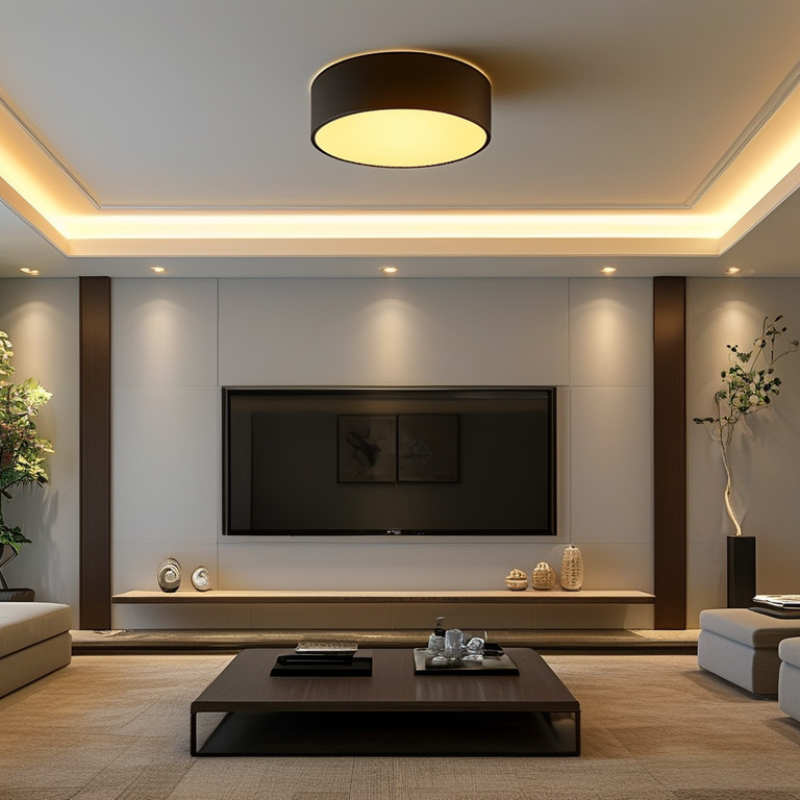
Low clearance in a room presents unique challenges when installing ceiling lights. Spaces with low ceilings, typically defined as under eight feet, can feel cramped and uninviting. According to the Home Lighting Institute, the right lighting can enhance spatial perception, making a low room seem larger. However, choosing fixtures that do not overwhelm the space is crucial. For instance, flush mounts and recessed lights are often recommended. They provide ample illumination without sacrificing headroom.
Many homeowners overlook the importance of light distribution. A report by the Illuminating Engineering Society indicates that poor lighting design can lead to shadows and an unbalanced atmosphere. This is particularly concerning in low-clearance areas where even small adjustments can dramatically affect the room's feel. Proper placement of fixtures ensures light levels are consistent and visually appealing.
It's important to consider the height of furniture and other elements in low-clearance rooms. Using dimmable fixtures can also help control brightness. A recent study found that adjustable lighting can increase the usability of a space by up to 30%. However, some people might find it challenging to strike the right balance. Experimenting with different lighting angles could reveal new possibilities but requires patience and reflection.
When dealing with low ceilings, choosing the right type of ceiling light is crucial for both aesthetics and functionality. Recessed lights often prove to be an excellent option. These lights sit flush with the ceiling, providing a clean look and maximizing vertical space. According to a report by the American Lighting Association, recessed lighting can improve room perception, making low-clearance areas feel more spacious.
Pendant lights are another popular choice, particularly for spaces that require a focal point. Selecting pendants with a lower hanging height ensures they don’t crowd the area. The Illuminating Engineering Society recommends using fixtures that hang at least 7 feet from the floor to avoid visual clutter. This recommendation is essential for maintaining safety and comfort in low-clearance rooms.
Wall-mounted fixtures also deserve attention. Sconces can add light without taking up ceiling space. They direct light toward surfaces, enhancing the overall feel of the room. However, it’s important to assess the layout before installation. In some instances, poor placement might lead to shadows or inadequate illumination. Always reflect on the existing design and traffic flow when choosing light fixtures to ensure maximum utility.
Installing ceiling lights in rooms with low clearance can be a challenge. The right tools and materials are crucial for a successful installation. Industry reports indicate that improper installation can lead to safety issues, making it essential to approach this task with care.
To start, gather the essential tools: a screwdriver, wire cutter, and a voltage tester. You'll also need a drill, mounting brackets, and electrical tape. According to the National Fire Protection Association, electrical failures account for 11% of home fires. This highlights the importance of using reliable materials and techniques. For low-clearance rooms, consider flush mount fixtures, which keep the profile low yet provide ample light.
When working on the installation, make sure to secure wiring connections properly. Poor wiring can lead to flickering lights and even short circuits. Remember to turn off the power at the breaker box before starting. Ensure that all tools are within reach to avoid unnecessary ladder moves. This will help maintain your focus and safety during the process. Always double-check your work. An overlooked detail can have greater consequences than anticipated.
Installing ceiling lights in rooms with low clearance can be challenging. It’s essential to prioritize safety and proper technique. Begin by turning off the electricity to the room. This step is crucial to avoid any electrical hazards. Use a voltage tester to confirm that the power is off. If you’re not confident in handling electrical installations, consider consulting a professional.
When choosing the right fixture, opt for low-profile designs that fit snugly against the ceiling. Flush mount lights are great for tight spaces. Ensure the light’s brightness aligns with your room’s needs. You might realize that brighter isn’t always better, especially in low ceilings. Test different bulbs for warmth and intensity before final installation.
Here are some considerations as you proceed. Always use sturdy ladders. Avoid wobbly or unstable ones. Take care when lifting fixtures. Dropping a light can cause injury and damage. When screw mounting your fixture, double-check if the screws are secure. It’s easy to overlook this step, but loose screws can lead to bigger problems later. If you face issues, don’t hesitate to re-evaluate your installation. Flexibility in your approach can save time and enhance safety.
Low clearance rooms can feel cramped, but the right lighting can make them appear larger and more inviting. According to industry studies, optimum lighting can enhance perceived space by up to 25%. Choosing ceiling lights that offer brightness while avoiding bulky designs is crucial for maximizing area without compromising headspace.
Employing a few strategic tips can enhance both light and space. Use flush-mount fixtures or recessed lighting to maintain a sleek profile. These options draw the eye upward, creating an illusion of height. Incorporating mirrors can also reflect light, expanding the room's atmosphere. A well-placed mirror can effectively double the light source, making the space seem brighter.
Consider using bright LED bulbs, as they consume less energy and produce more light per watt compared to incandescent bulbs. A study by the Department of Energy found that LED lighting is 75% more efficient. Additionally, layering lights with wall sconces or table lamps provides flexibility in mood and brightness. Adjusting light levels throughout the day can improve comfort and functionality. Over time, it’s essential to assess which combinations of lighting work best for your space and make adjustments accordingly.
: Recessed lights and pendant lights are excellent choices. Recessed lights sit flush, maximizing space. Pendant lights create a focal point.
Pendants should hang at least 7 feet from the floor. This avoids clutter and maintains comfort and safety.
Sconces are a great option. They add light without taking ceiling space. Ensure placement avoids shadows for better illumination.
Essential tools include a screwdriver, wire cutter, and voltage tester. A drill and mounting brackets are also necessary for installation.
Poor wiring can cause flickering lights or short circuits. Always secure connections and turn off power at the breaker.
Use flush-mount fixtures to create an illusion of height. Incorporate mirrors to reflect light and increase brightness.
Bright LED bulbs are the best choice. They consume less energy and provide more light than incandescent bulbs.
Proper lighting can enhance perceived space by up to 25%. It’s crucial to choose designs that maximize area without feeling bulky.
Layering lights with wall sconces or table lamps allows you to adjust brightness and mood throughout the day.
Reflect on which combinations work best over time. Make adjustments to improve comfort and functionality in your space.
When considering how to install ceiling lights in a room with low clearance, it’s essential to first understand the unique challenges that low ceilings present. Ideal light fixtures should be chosen carefully, prioritizing options that provide effective illumination while maintaining a low profile to avoid compromising headspace. Essential tools and materials, such as screwdrivers, mounting brackets, and appropriate light bulbs, should also be gathered before starting the installation process.
The article provides a step-by-step guide to safely installing ceiling lights, ensuring that homeowners can achieve both functional lighting and an aesthetically pleasing environment. Additionally, it offers valuable tips for enhancing light and optimizing space in low clearance rooms, helping to create a more open and inviting atmosphere despite the constraints of height. With the right preparation and approach, transforming spaces with low ceilings into well-lit, comfortable areas is achievable.
