A dated ceiling light can make an otherwise fresh room feel unfinished. The good news: you may not need to replace it. Learning how to make a boring ceiling light look modern can start with simple changes, such as a new shade, a carefully chosen bulb, or a cleaner finish around the fixture. A warm, dimmable LED can soften harsh light, while a matte black or brushed brass detail may better suit the room’s other hardware. Small changes matter.
Before choosing a cover or shade, check the fixture’s shape, size, heat rating, and manufacturer instructions. Not every accessory fits every light, and fabric or paper should never touch a bulb unless the product is specifically rated for that use. Safety comes first. If the fixture needs rewiring, feels loose, or shows damaged parts, stop and ask a qualified electrician rather than guessing. That extra step may feel inconvenient, but it protects both the room and the people in it.
This guide explores practical ways to update a plain ceiling light in 2026, from styling the surrounding ceiling to choosing a more considered bulb and fixture finish. It also explains where a quick refresh may fall short. A beautiful shade can still cast awkward shadows; a trendy finish can clash with existing trim. I’ve found that the best result usually comes from looking at the whole room, not just the light. Start with what feels dated, make one change at a time, and judge it in daylight and after dark. It may take a second try.
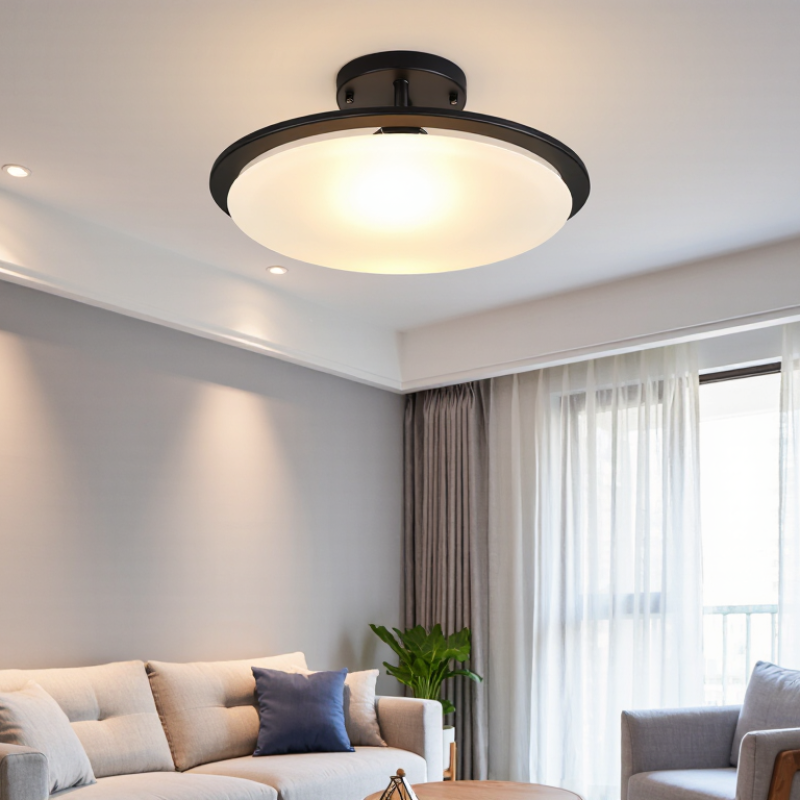
Before changing a dated ceiling light, inspect what it actually does in the room. Stand beneath it at night and note dark corners, harsh glare, and shadows across work surfaces. Check whether the diffuser is yellowed, cracked, or hiding dust. Measure the fixture’s diameter and ceiling height; a small flush mount can look lost on a broad ceiling, while a large pendant may crowd a low one. Take a photo from the doorway, too. It often reveals proportions that disappear when you stare straight up.
Look at the surroundings in daylight and after dark. Note the wall color, cabinet finish, window direction, and nearby lamps. Warm light can flatter wood but make cool gray paint appear muddy. If the ceiling light is the room’s only source, assess whether it spreads light evenly or leaves the edges dim. The U.S. Department of Energy reports that LED bulbs use at least 75% less energy and last up to 25 times longer than incandescent lighting. That makes bulb compatibility worth checking before replacing a sound fixture. Still, efficiency won’t fix poor placement.
Record the bulb base, wattage limit, and any dimmer before shopping. Then check whether the fitting is secure and whether the light flickers or hums. A loose-looking shade may be the whole problem. I once blamed the fixture’s shape, when a stained diffuser was making it feel old. Be honest about what needs updating.
Compare the fixture with the ceiling, furniture, and room height. A shallow drum suits low ceilings. A slim pendant fits taller rooms. Measure before buying.
Choose a fixture that does not dominate the room. An oversized shade can overwhelm a narrow bedroom. Leave clear space around doors and furniture. Bigger is not always better.
Matte black adds contrast against a pale ceiling. Brushed brass feels warmer near wood or cream walls. White and soft nickel create a quieter appearance. Match nearby hardware loosely.
No. Identical finishes can feel stiff. Use related tones instead. A warm room may look cold with the wrong finish. I sometimes underestimate this detail.
Warm white, around 2700–3000 K, usually feels relaxed. It creates a softer evening atmosphere. Check the color temperature on the bulb package.
Neutral white can provide clearer task lighting. It helps when preparing food or reading small labels. Test the light after dark. Paint colors may look surprisingly different.
Turn off the circuit breaker before touching the fixture. Confirm the wires are de-energized with a voltage tester. A wall switch alone is not enough. Support the fixture while removing it. Stop if the wiring looks damaged or unfamiliar.
Confirm its mounting hardware matches the ceiling electrical box. Check that the box supports the fixture’s weight. Hold the canopy against the ceiling before wiring. It should cover the opening without touching trim.
Restore power and check for wobbling, flickering, or unusual warmth. Make sure the shade clears cabinets, doors, and tall furniture. A slightly imperfect alignment may be acceptable. A loose mounting plate is not. Stop and recheck it.
Yes. Residential LEDs use at least 75% less energy than incandescent bulbs. They can also last up to 25 times longer. Choose a dimmable bulb only with compatible fixtures and controls. Efficiency does not fix unsafe wiring.
A simple ceiling light can feel dated, but a few thoughtful updates can give it a cleaner, more contemporary look. Start by assessing the fixture, the room’s proportions, and the surrounding colors and materials. Then choose a modern style, finish, and lighting color that suit the space, whether you prefer a subtle refresh or a more noticeable change. Considering how to make a boring ceiling light look modern also means selecting compatible materials and making sure any new shades, covers, or decorative details fit the existing fixture.
Before installation, check that the design is suitable for the fixture and follow safe procedures, seeking qualified help when needed. Once installed, confirm that the light sits securely and looks balanced from different angles. Finish by adjusting brightness to create a comfortable atmosphere, and keep the updated light clean and well maintained so it continues to look fresh over time.

