How to Choose the Right Lumens for Living Room Ceiling Light?

Time:2026-07-01 Author:Mason
0%

Choosing the right lumens for your living room ceiling light is crucial for creating a comfortable atmosphere. Proper lighting impacts mood, functionality, and aesthetics. According to a 2022 report by the Lighting Research Center, optimal lumens for living areas range from 100 to 200 per square meter. This suggests tailored lighting for various purposes, like reading, relaxing, or entertaining.

Experts agree on the importance of this decision. Lighting designer, Dr. Emily Chen, stated, “Understanding how to choose the right lumens for a living room ceiling light can transform your space.” Her insight reflects a broader industry understanding: well-illuminated spaces enhance well-being and productivity.

However, many individuals underestimate this aspect. Often, they rely on trial and error rather than research. This can lead to over-lit or dimly lit areas, affecting daily activities. It’s essential to consider factors like room size, color schemes, and furniture layout to find balance.
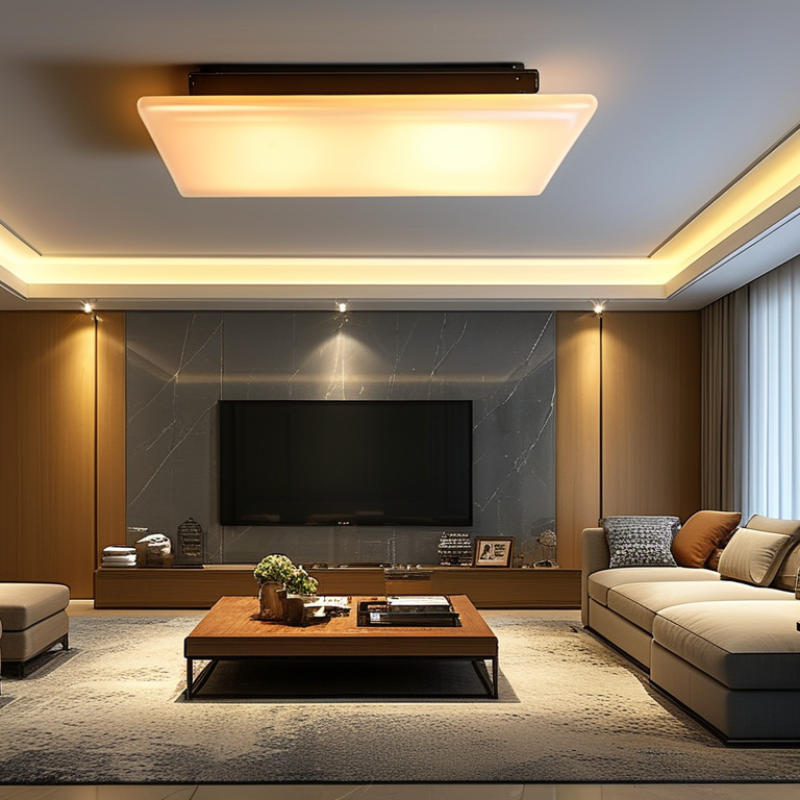
How to Choose the Right Lumens for Living Room Ceiling Light?

Understanding Lumens and Their Importance in Lighting

Choosing the right lumens for your living room ceiling light is crucial for creating a comfortable atmosphere. Lumens measure light output. Higher lumens mean brighter light. The Illuminating Engineering Society suggests around 1,500 to 3,000 lumens for a living room. This range allows flexibility based on room size and personal preference.

Many overlook how lumens impact mood and functionality. A study by the Lighting Research Center found that poor lighting can lead to increased fatigue and decreased productivity. Rooms with insufficient light can feel cramped and uninviting. Conversely, too much light can cause glare and discomfort. Finding the sweet spot requires careful thought about your living space's dimensions and activities you do there.

Light layering is also essential. Combining ambient, task, and accent lighting creates balance. You might need 80 lumens per square foot for general use. Yet, task areas like reading nooks could require up to 100 lumens. Remember, achieving the right lumens often involves trial and error. You might need to adjust your setup based on how the room feels during different times of day.

Recommended Lumens for Different Living Room Activities

This chart illustrates the recommended lumens for various activities typically carried out in a living room. Proper lighting enhances functionality and comfort according to the nature of the activity.

Factors to Consider When Choosing Lumens for Your Living Room

When choosing the right lumens for your living room ceiling light, consider the size of the space. A small room may only need 1,500 to 3,000 lumens. In contrast, larger living rooms might require 5,000 lumens or more. Assess your room dimensions first. This step is crucial for achieving the ambiance you desire.

Next, think about the purpose of the lighting. Do you want a cozy atmosphere for relaxation? Brighter lights might not suit that mood. On the other hand, if you often host gatherings, you may need more lumens to create a vibrant environment. The versatility of your lighting can make a big difference.

Lastly, consider the furniture and decor. Dark colors absorb light, while light colors reflect it. If your furniture is dark, you might need higher lumens to achieve balance. This aspect often goes unnoticed. It’s essential to evaluate how lighting interacts with your space. Experimenting can lead to unexpected results.

Suggested Lumens Ranges for Different Living Room Activities

Choosing the right lumens for your living room ceiling light greatly impacts the space's ambiance. Different activities require specific lighting levels. For general tasks like reading or socializing, a lumen range of 1,500 to 3,000 is ideal. This range ensures a well-lit area that's comfortable for conversation and daily activities.

For dedicated activities, such as playing games or conducting hobbies, consider higher luminosity. A range of 3,000 to 4,500 lumens can create a stimulating environment. If your living room includes areas for relaxation, softer lighting with around 1,000 to 2,000 lumens can help set a calm atmosphere. According to industry reports, optimal brightness enhances mood and productivity.

It's crucial to assess your room's size and design. Larger spaces may require more lumens to avoid dark corners. However, an overwhelming brightness can be equally disruptive. Flexibility in light dimming options can help balance these needs. Moreover, different bulb types can produce varied brightness levels, further complicating the choice. Balancing these factors will lead to a more functional living space.

Tips for Balancing Lumens with Other Lighting Sources

Choosing the right lumens for your living room ceiling light can feel overwhelming. You want bright, inviting light, but it’s vital to balance lumens with other sources of light. A well-lit room might have an overhead fixture and several lamps. Each source should work together harmoniously.

Consider your activities in the room. Reading, watching TV, or socializing will demand different light intensities. Incorporating various lighting types can create layers. Ambient lighting can provide overall brightness while task lighting focuses on specific areas. If you rely solely on your ceiling light, shadows might creep in. This imbalance can lead to discomfort, so aim for a blend of lumens.

Use dimmers to adjust the brightness easily. Not every situation requires the same amount of light. Think about how natural light affects your space throughout the day. Depending on the time or weather, you might want to alter your lighting setup. Experiment with different combinations. Sometimes, you might feel the need for more adjustment to achieve the right ambiance.

How to Choose the Right Lumens for Living Room Ceiling Light? - Tips for Balancing Lumens with Other Lighting Sources

Lighting Type Recommended Lumens Purpose Advantages
General Overhead Lighting 1,500 - 3,000 Basic illumination for the room Even light distribution, makes the space feel larger
Task Lighting 500 - 1,000 Focused lighting for activities like reading Minimizes eye strain, enhances productivity
Accent Lighting 100 - 400 Highlight décor or architectural features Creates ambiance and visual interest
Ambient Lighting with Dimmers 1,000 - 2,000 Flexible illumination level Versatile mood setting, energy efficient

Evaluating the Effect of Color Temperature on Lumens Choices

Choosing the right lumens for your living room ceiling light is influenced by color temperature. Color temperature, measured in Kelvin, affects how light appears in a space. Warm white (below 3000K) creates a cozy atmosphere, while cool white (above 4000K) offers a more vibrant feel. According to a study by the Lighting Research Center, a softer warm light can foster relaxation and social interaction.

In living rooms, aiming for around 1500 to 3000 lumens is often recommended. However, this depends on the color temperature selected. Lights with a higher Kelvin rating typically need fewer lumens to achieve the desired brightness. For example, a fixture at 4000K might feel brighter than a 2700K one, even with similar lumen outputs. Observing how different temperatures reflect off your walls can also help. Pale walls reflect light better, enhancing the perceived brightness.

Reflect on your living room's purpose. Are you hosting friends or winding down after a long day? Evaluation of color temperature can profoundly influence mood. Spaces may need adjustment over time as preferences and activities change. Experiment with various bulb types to discover what truly complements your living environment.

FAQS

: What are lumens?

: Lumens measure light output. Higher lumens indicate brighter light.

How many lumens are recommended for a living room?

Aim for 1,500 to 3,000 lumens for a comfortable living room atmosphere.

How do lumens affect mood?

Poor lighting can lead to fatigue. Good lighting enhances mood and productivity.

What is light layering?

Light layering combines ambient, task, and accent lighting for balance.

How many lumens for reading or socializing?

Use 1,500 to 3,000 lumens for reading and social activities.

What lumens are suitable for relaxation?

Softer lighting with 1,000 to 2,000 lumens helps create a calming space.

Why is assessing room size important?

Larger rooms need more lumens to avoid dark corners. Too much light can disrupt comfort.

How can dimmers help with lighting?

Dimmers allow for brightness adjustment, adapting to different activities and times of day.

What happens if I only use ceiling lighting?

Relying solely on ceiling lights can create shadows, leading to discomfort.

How can I find the right lighting balance?

Experiment with combinations of lighting sources. Adjust until it feels right for your needs.

Conclusion

Choosing the correct lumens for your living room ceiling light is essential for creating the desired ambiance and functionality in the space. Understanding lumens and their importance in lighting plays a pivotal role in this process. Factors such as room size, ceiling height, and the activities that will take place in the living room must be considered when determining the appropriate lumen levels.

Typically, recommended lumen ranges can vary depending on activities like reading, entertaining, or watching TV. Additionally, balancing lumens with other lighting sources and considering the effect of color temperature can enhance the overall lighting experience. This comprehensive approach on how to choose the right lumens for a living room ceiling light ensures that your space is both inviting and practical.

Mason

Mason

Mason is a seasoned marketing professional with a deep expertise in the company's offerings and a passion for driving brand awareness. With a strong background in digital marketing strategies, he has an innate ability to connect with diverse audiences and effectively communicate product benefits.......